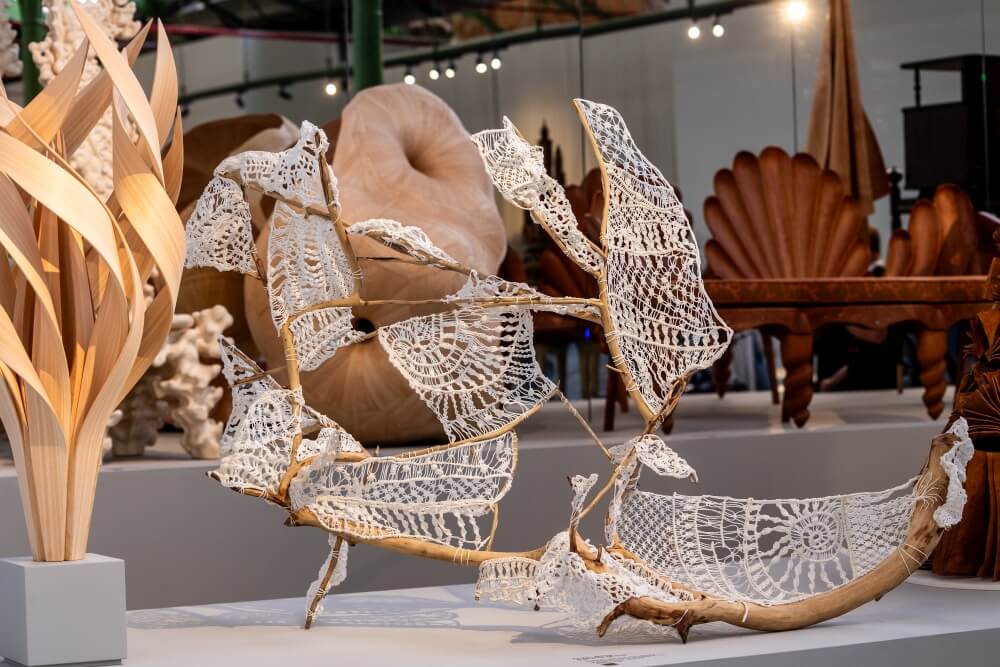
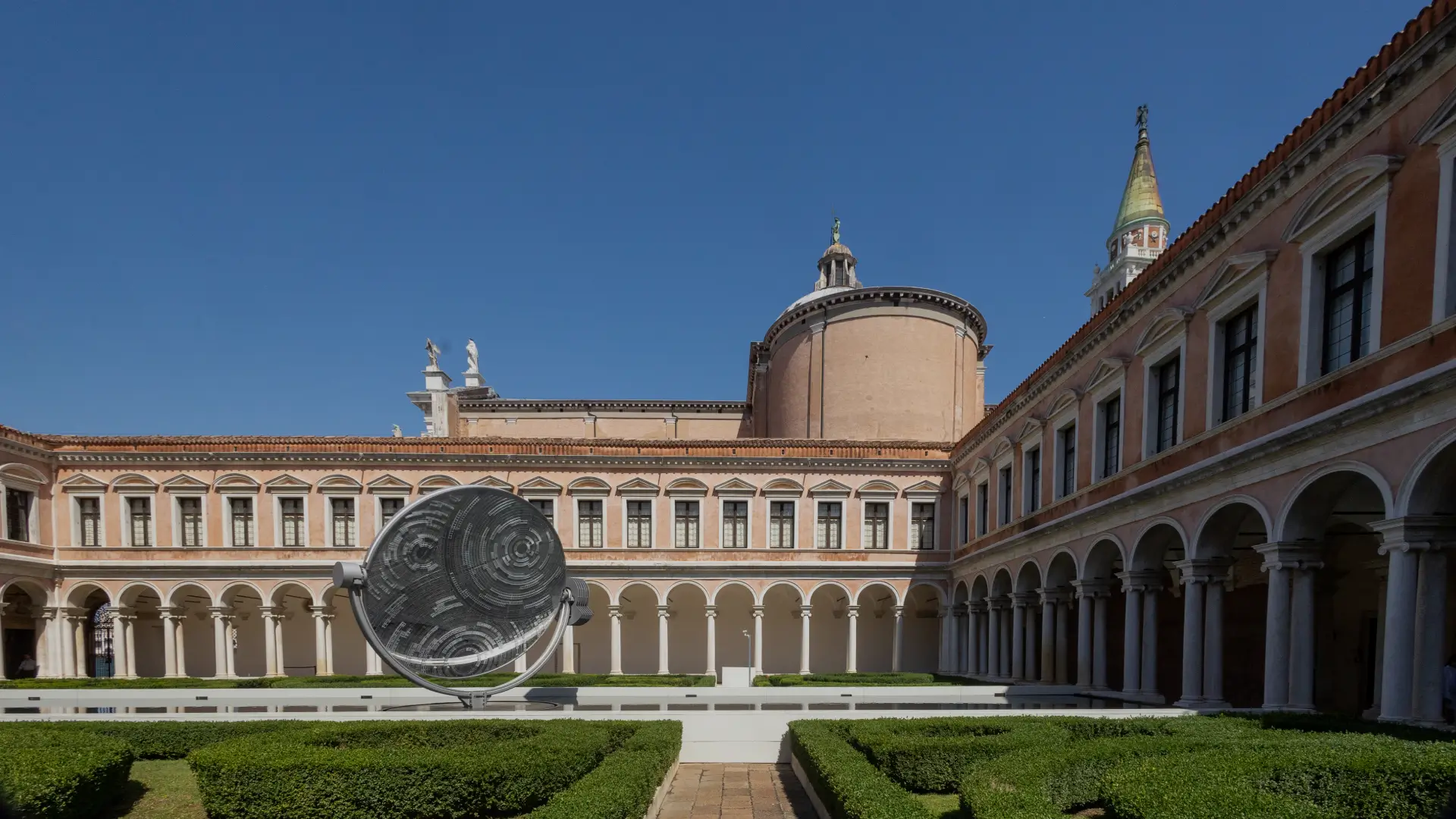
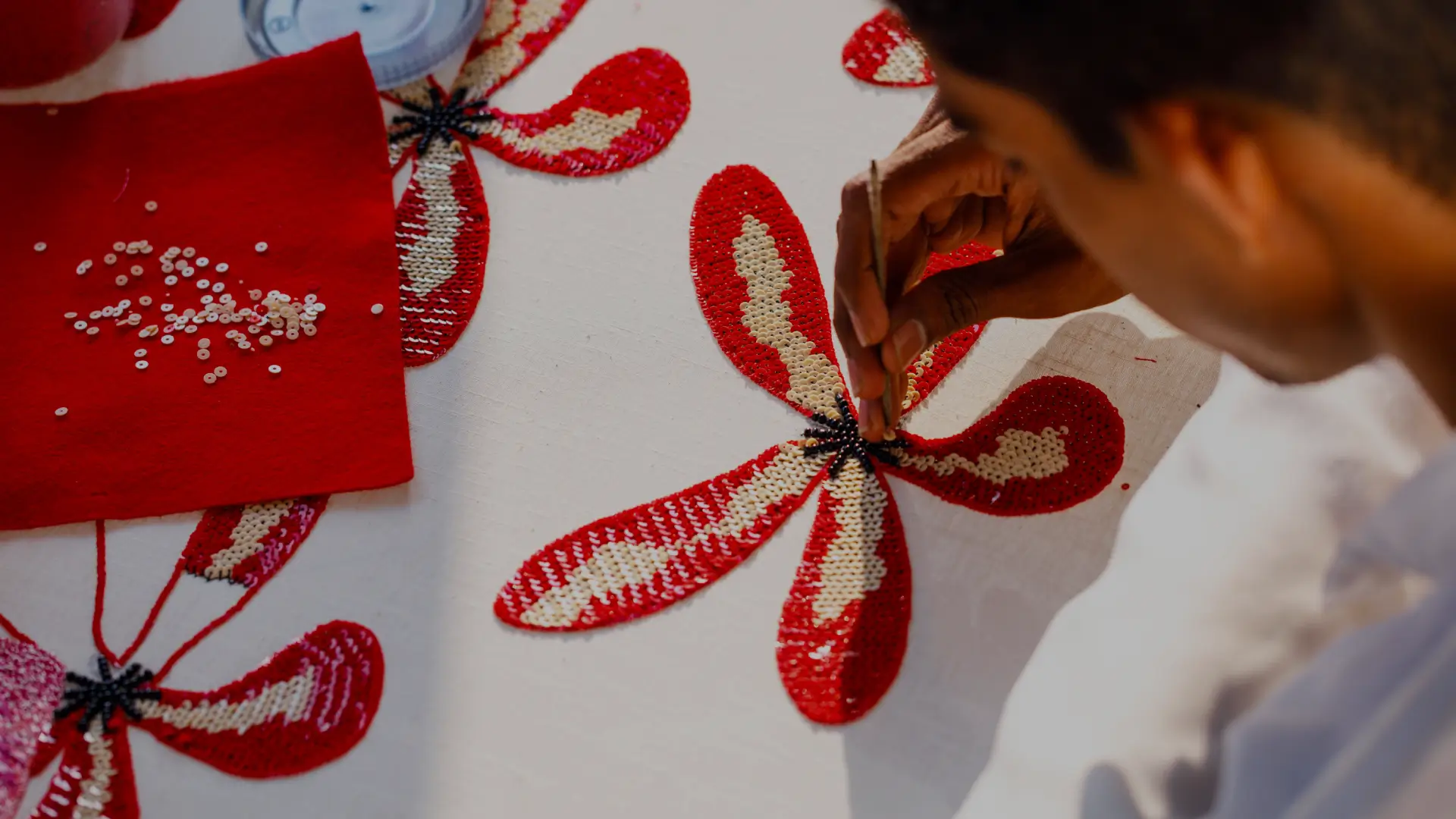
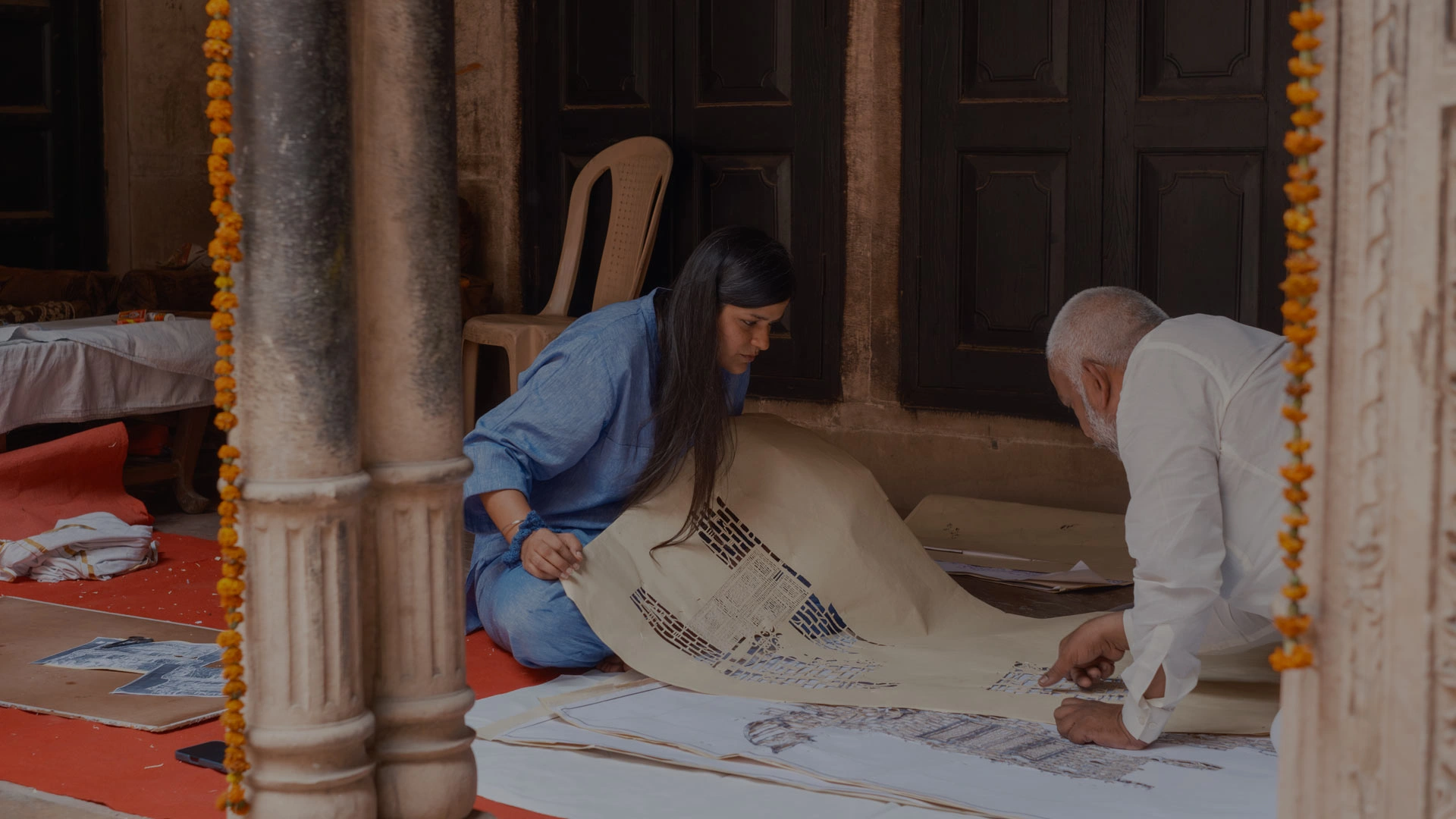
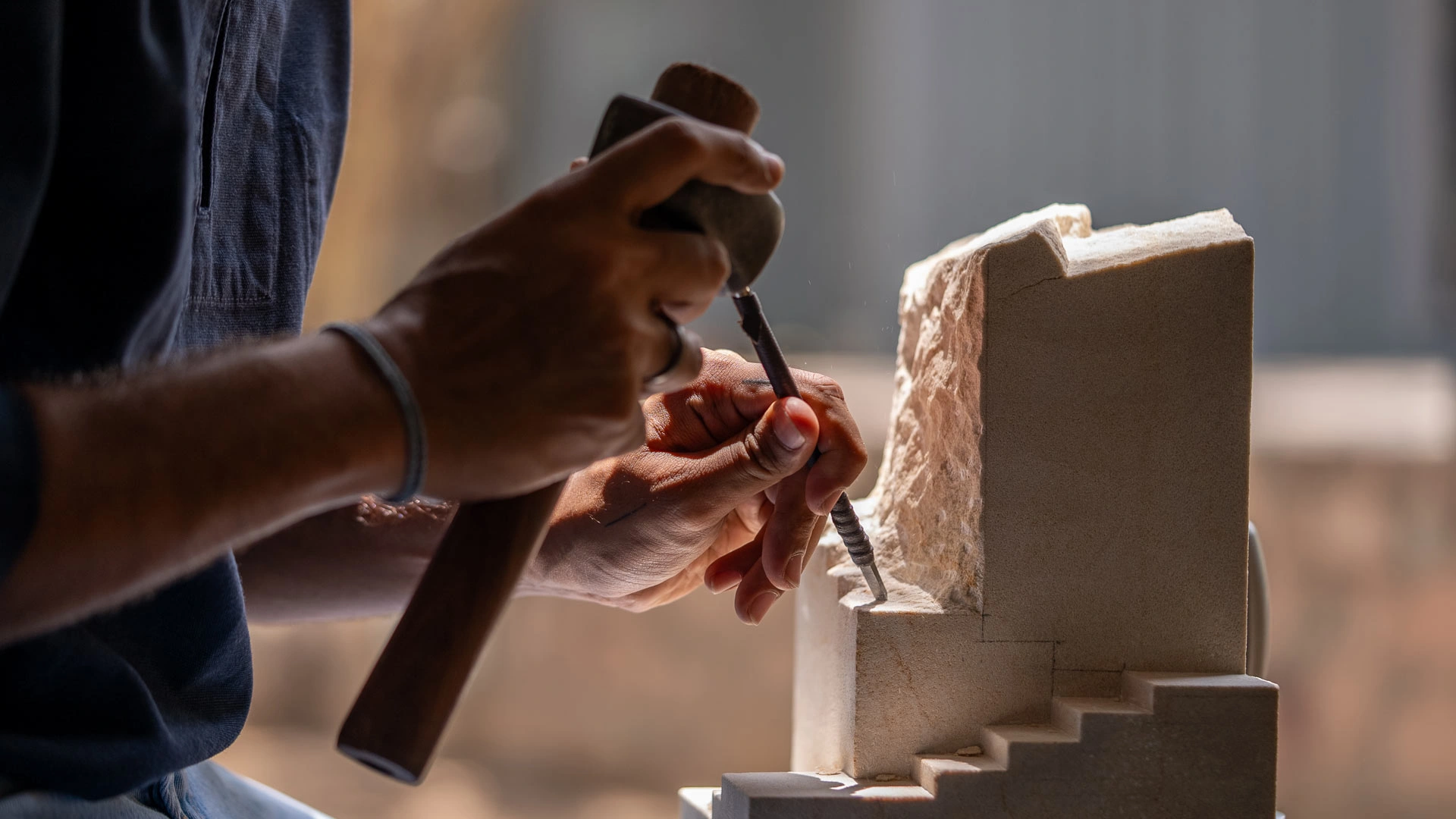
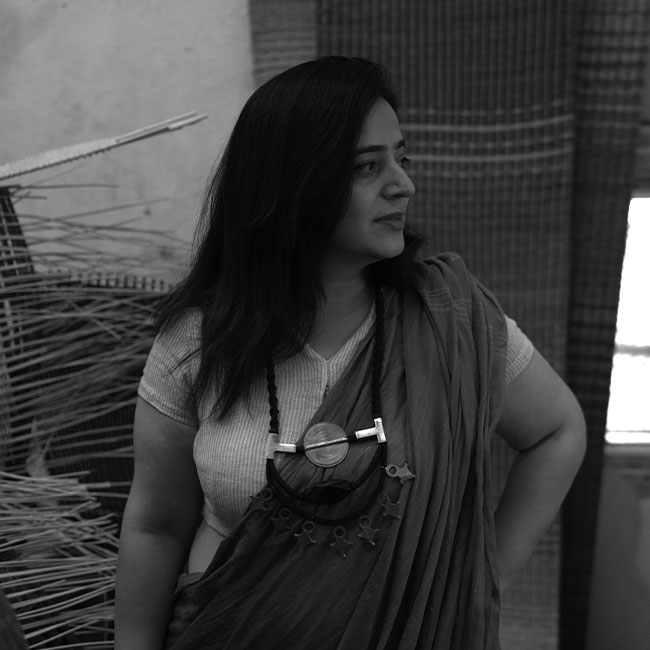
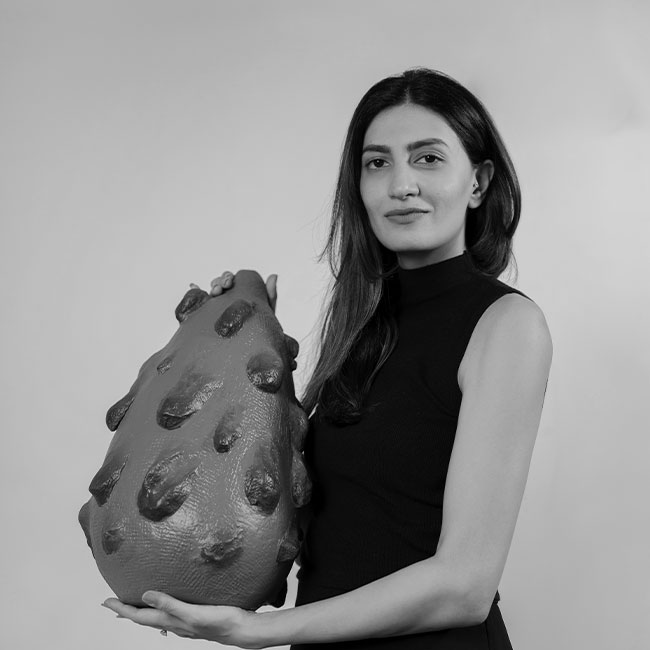
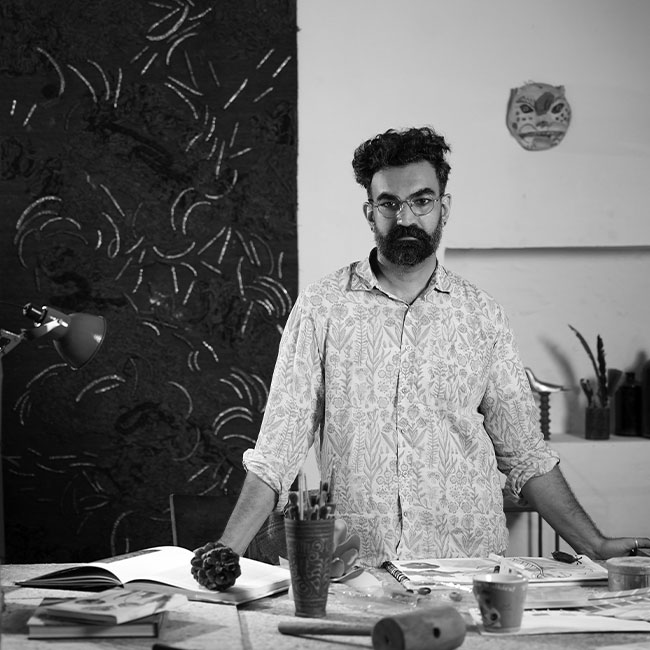
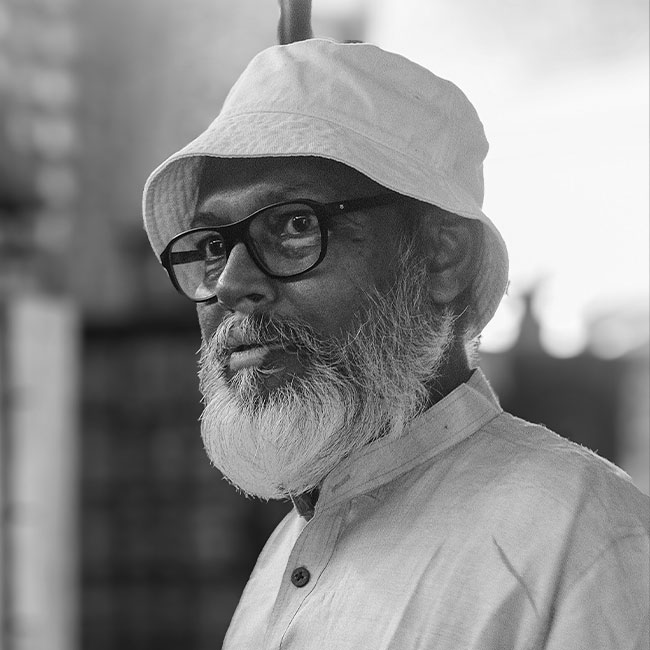
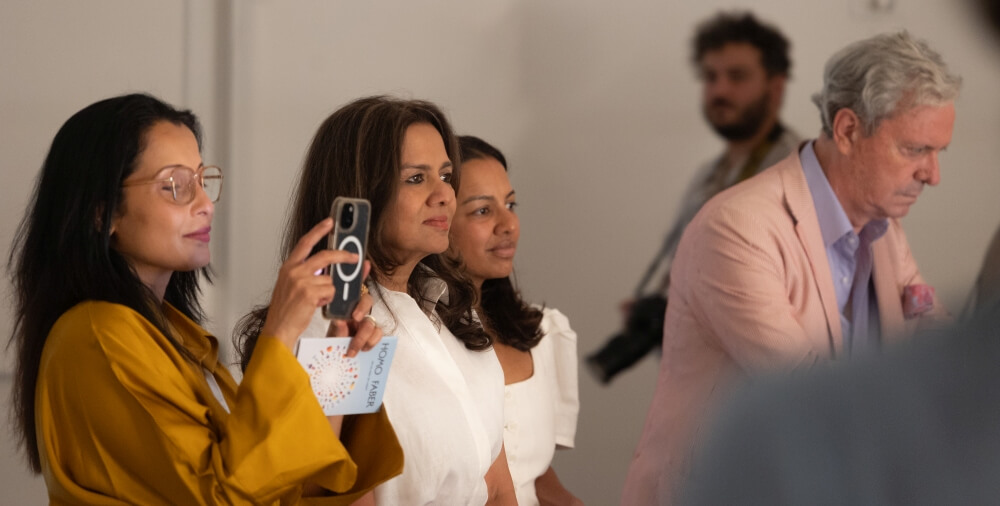
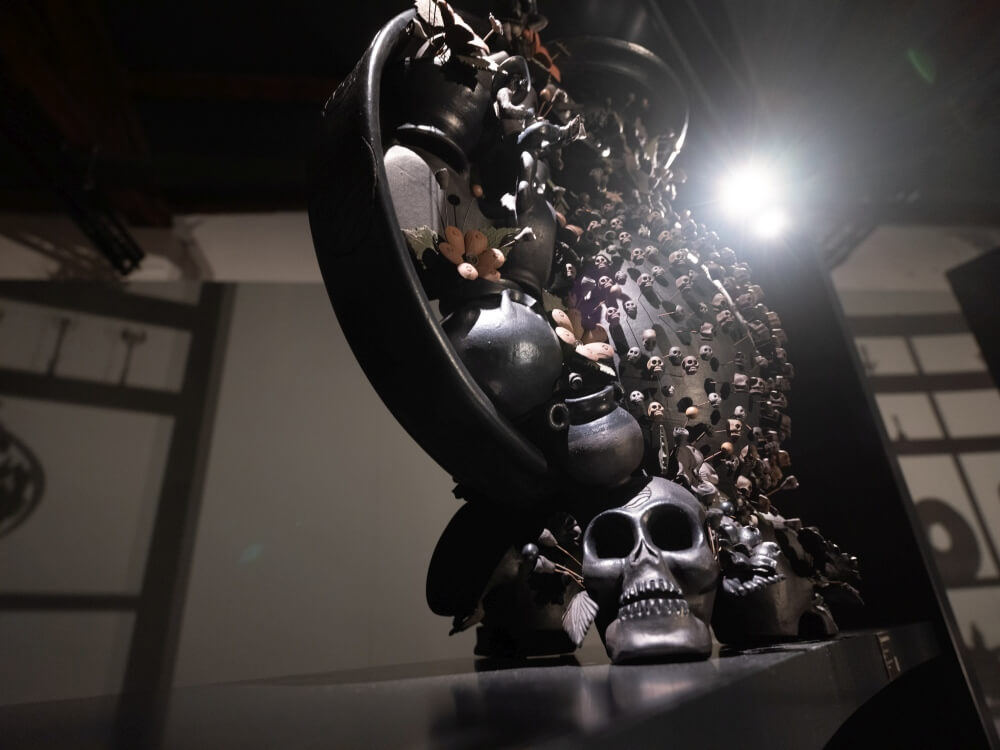
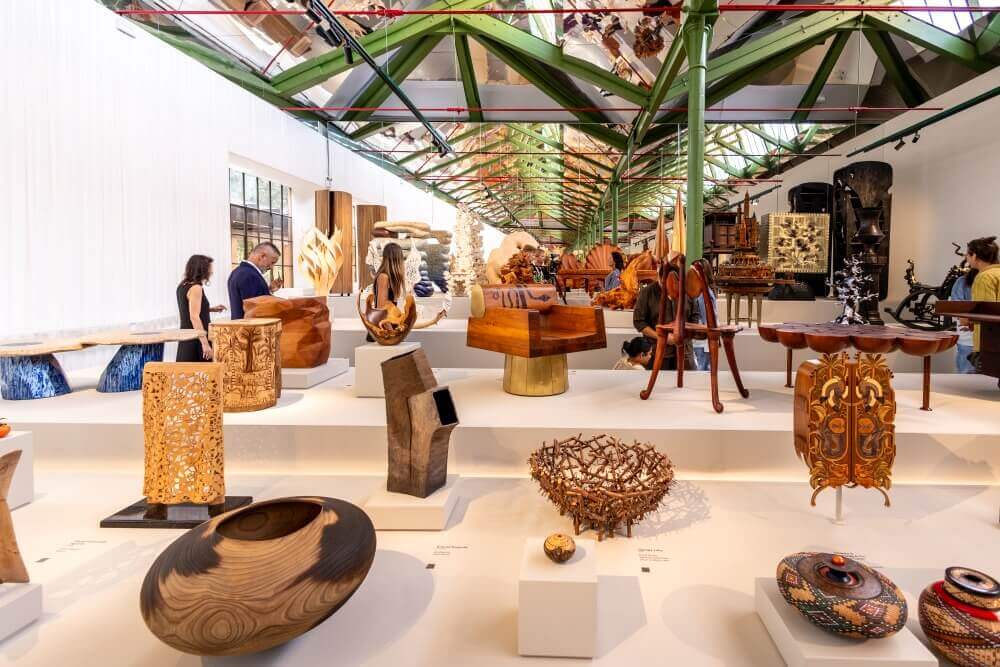
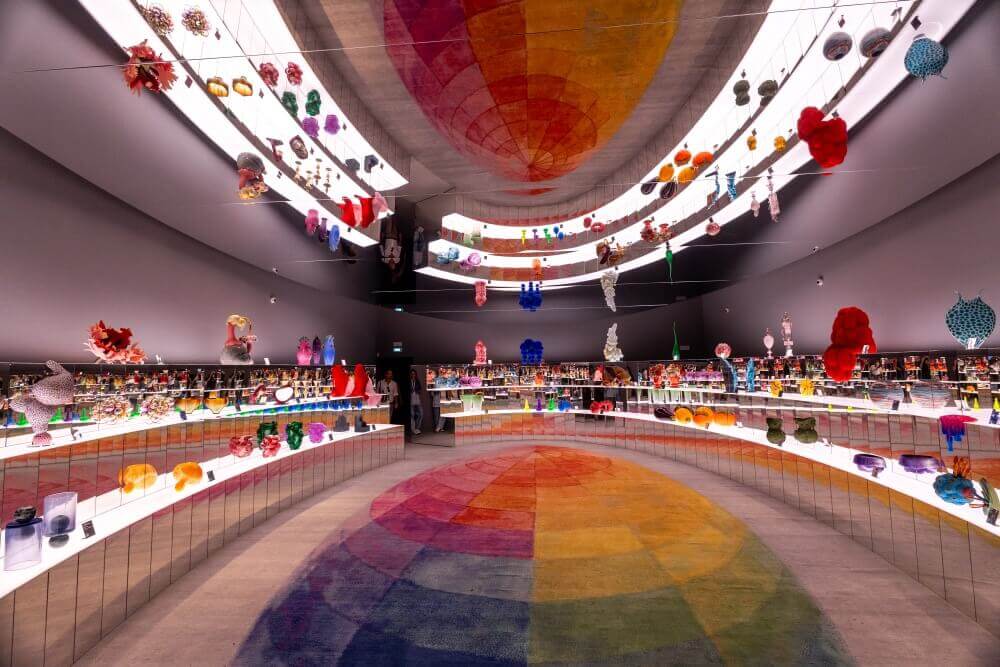
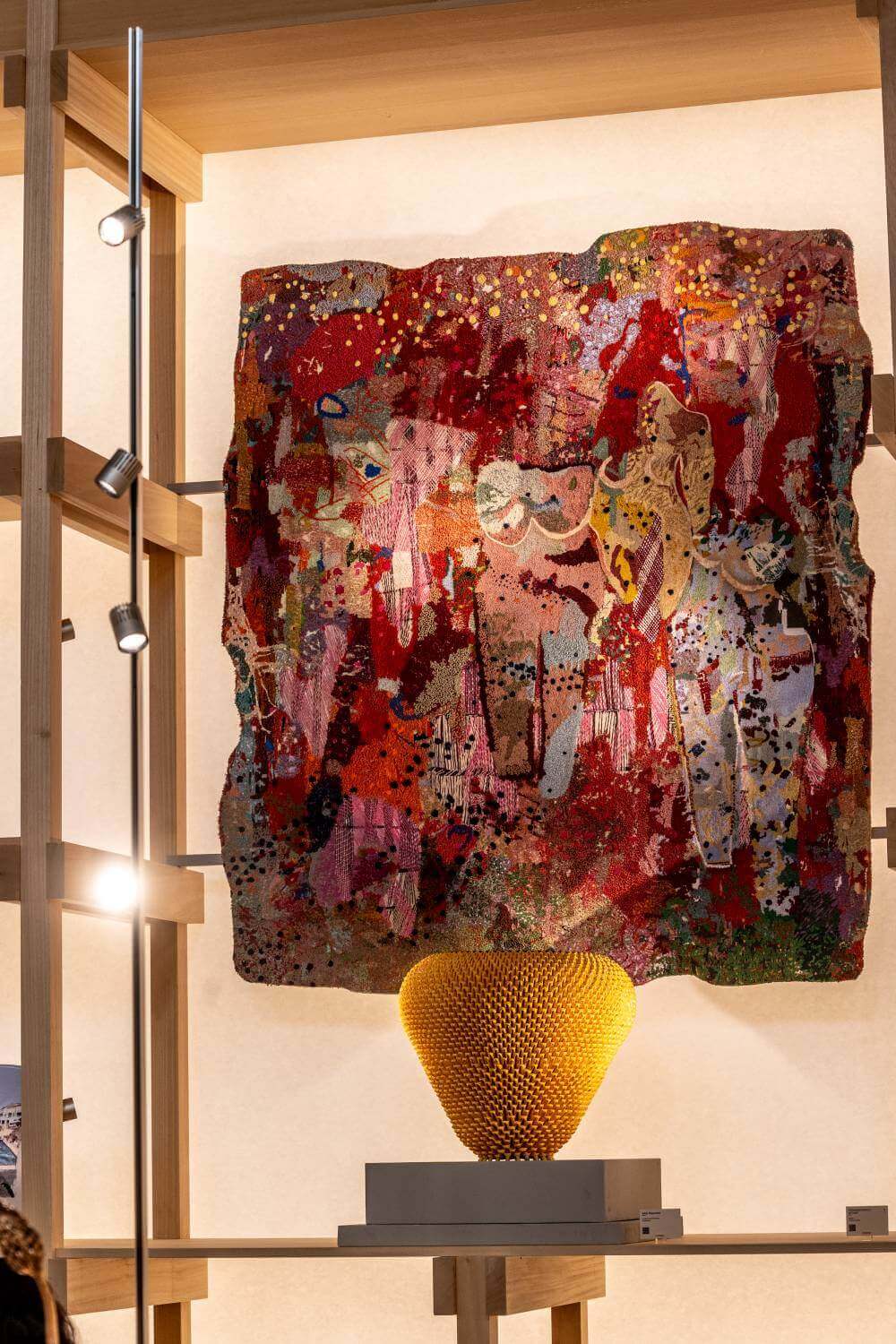
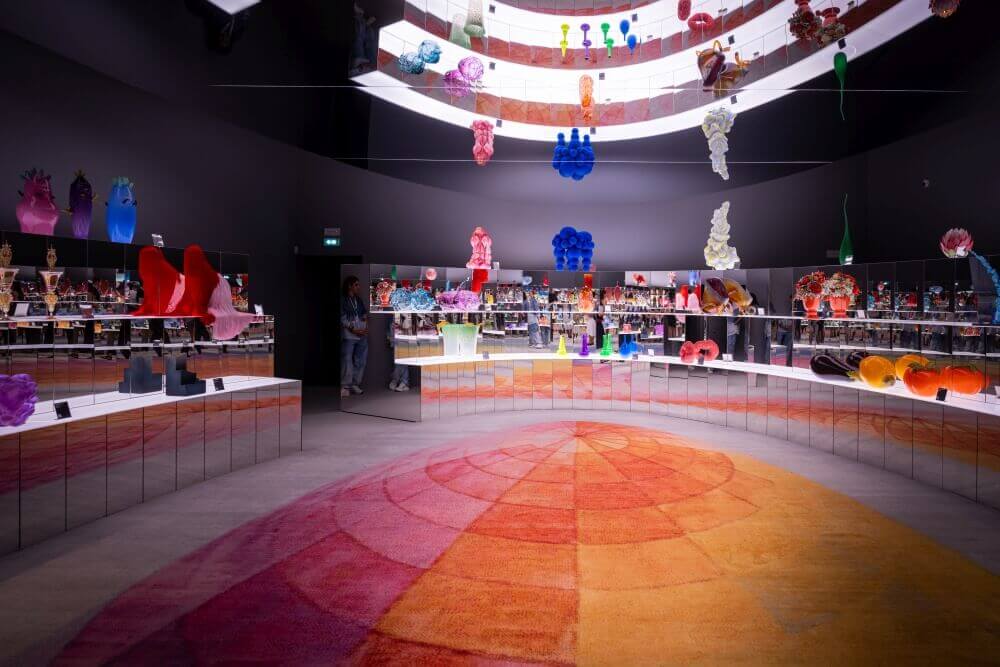
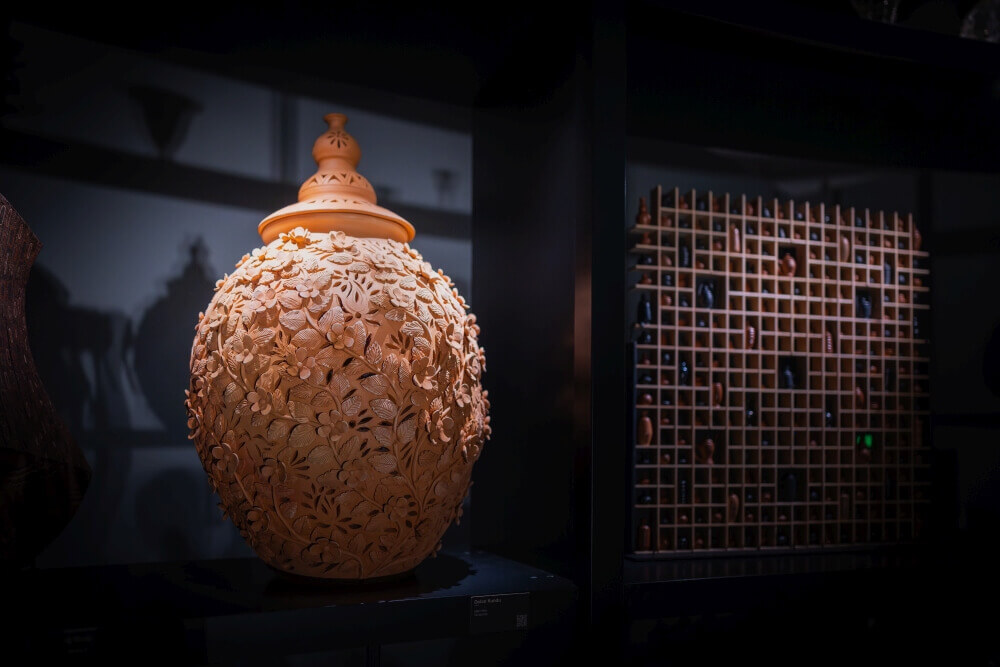
JSW Foundation joins Homo Faber 2026: An Island of Light as a Guardian of Creativity and Craftsmanship, supporting 30 Indian artisans as they showcase their work at the fourth Homo Faber Biennial in Venice, taking place from 1-30 September 2026. Representing a rich diversity of traditional and contemporary crafts, the artists work across ceramics, glass, metal, textiles, leather, wood, stone and basketry.

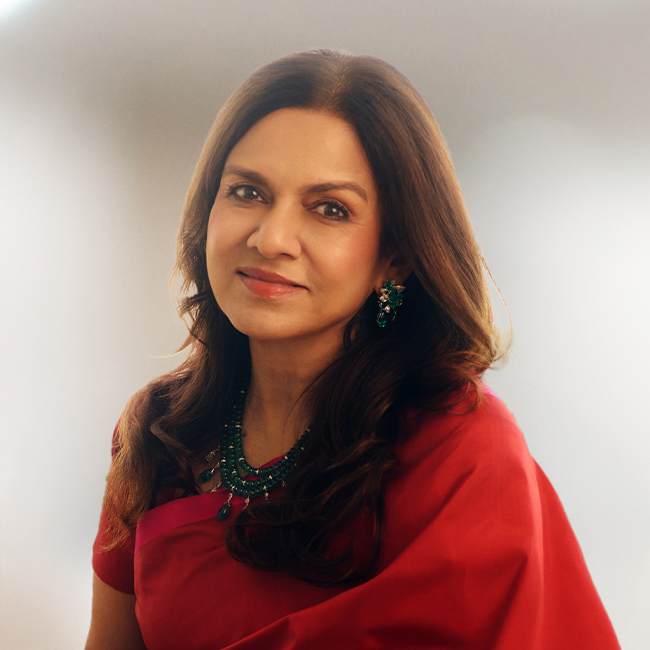
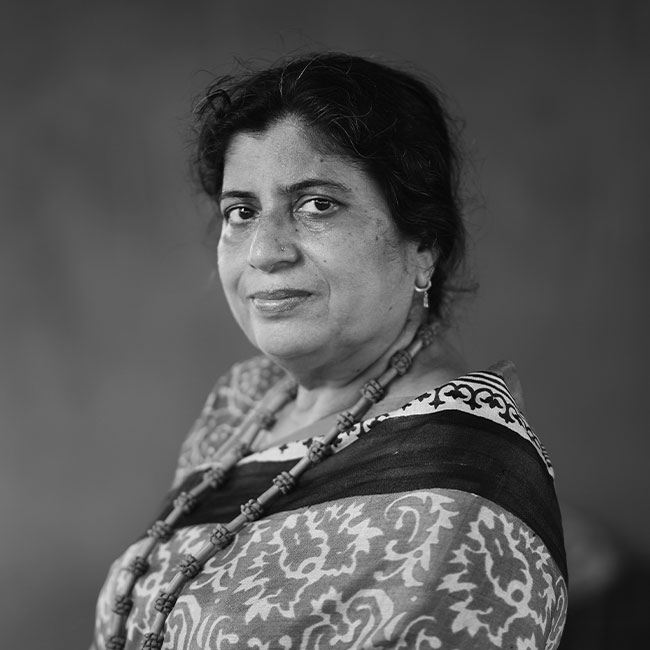
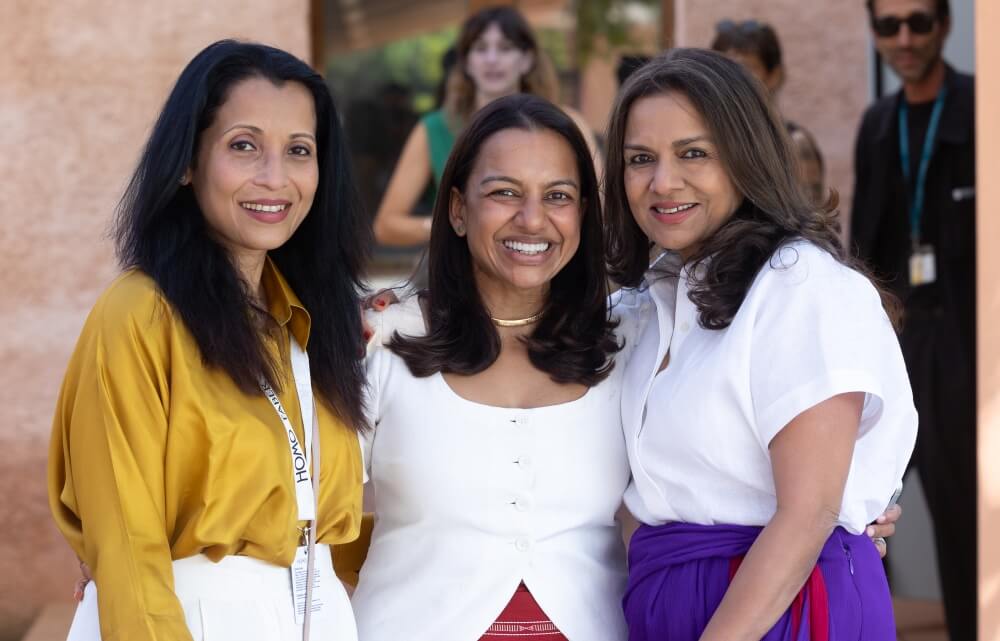
Sangita Jindal Chairperson, JSW Foundation

At JSW Foundation, we have always believed that heritage is not a relic of the past, but a living, breathing force-one that carries within it centuries of knowledge, identity, and human ingenuity. Through this platform, we hope to present the extraordinary skill, imagination, and cultural depth of artisans and creators from India, fostering genuine dialogue, appreciation, and exchange across diverse traditions of craft and art.

Tarini Jindal Handa Founder, Æquo | Managing Director, JSW Realty | Head- Art & Culture, JSW Foundation

There is something very special about an object made by hand. It carries the maker in it - their time, their skill, their story. India has an extraordinary tradition of making, much of it passed quietly from one generation to the next. This year, we have the privilege of bringing 30 Indian artisans to Homo Faber, and I am so proud that JSW Foundation can be a small part of their journey. More than anything, I hope their work is seen, appreciated and celebrated - not only for the traditions it carries, but for where these remarkable makers can take them next.

Artists


From artisans from families steeped in craft, preserving and innovating with tradition, to self-taught artists
pushing creative boundaries, the Biennale celebrates India’s rich and diverse craft heritage.

Ankon Mitra

Cane Concept

Chacko

Chanakya School of Craft

ChippiWara

Dhruv Agarwwal

Dolon Kundu Mondal

Gopal Saini

Inderjeet Sandhu

Kanday Anjanappa

Kavin Mehta

Klove Studio

Kunal Ukey

Mohammed Abdul Bari

Nalini Mehta

Rajka Pottery

Reha Salvi

Rooshad Shroff

SHED

Shalini Mithal

Sumakshi Singh

Suraj Kumar Sahu

Suresh Mohan

Surya Mathew

The Kalhath Foundation

The Paper Ark

The Vernacular Modern

The Wicker Story

Vahé Ensemble

Valay Gada

Vipul Kumar

Gallery

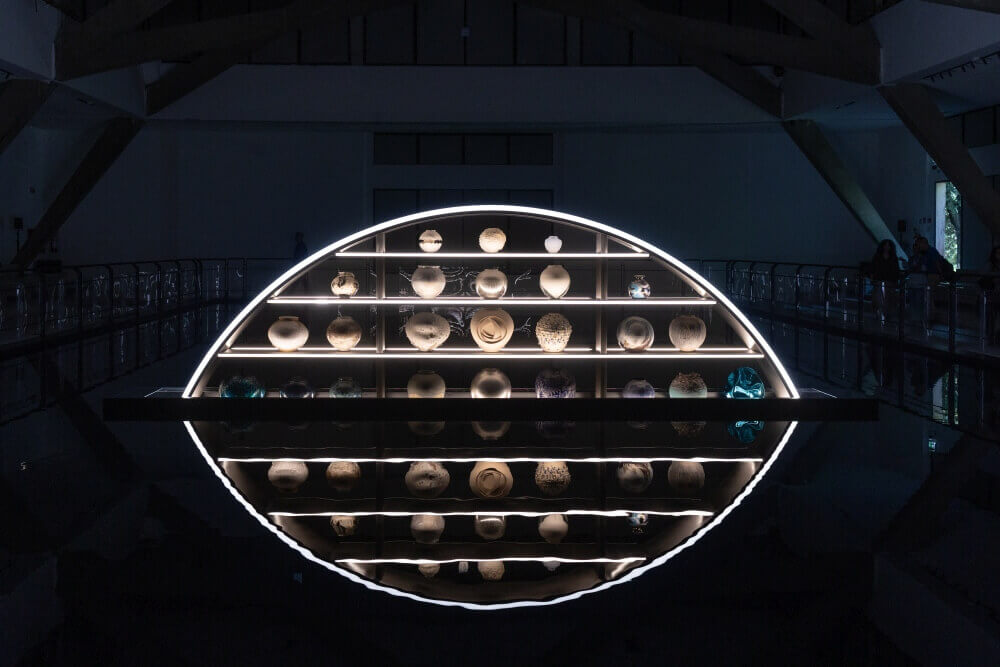
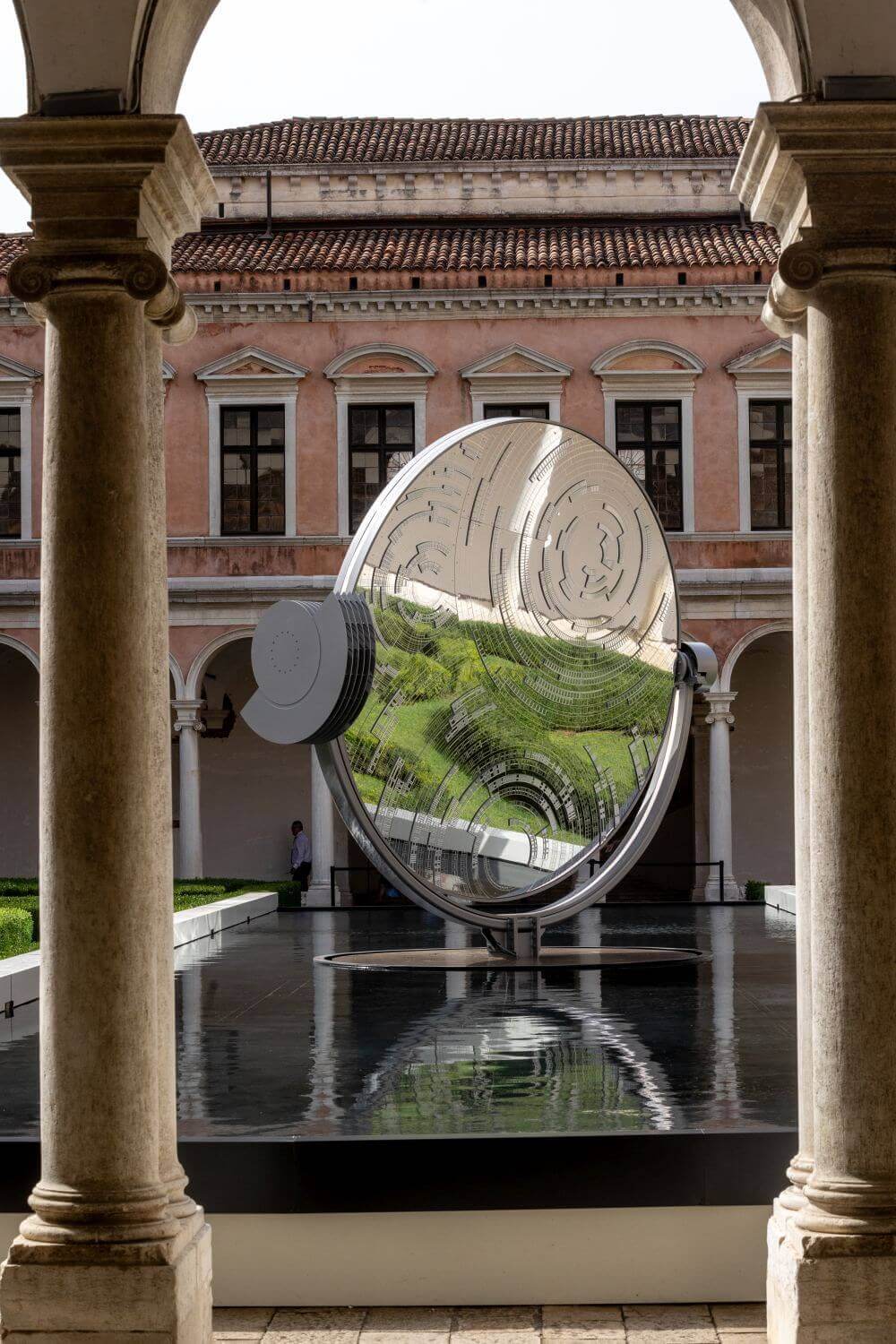
Homo Faber 2026: An Island of Light is a sensory journey through 15 immersive installations, where water,
mirrors and movement conspire to illuminate the human hand at work

Ankon Mitra

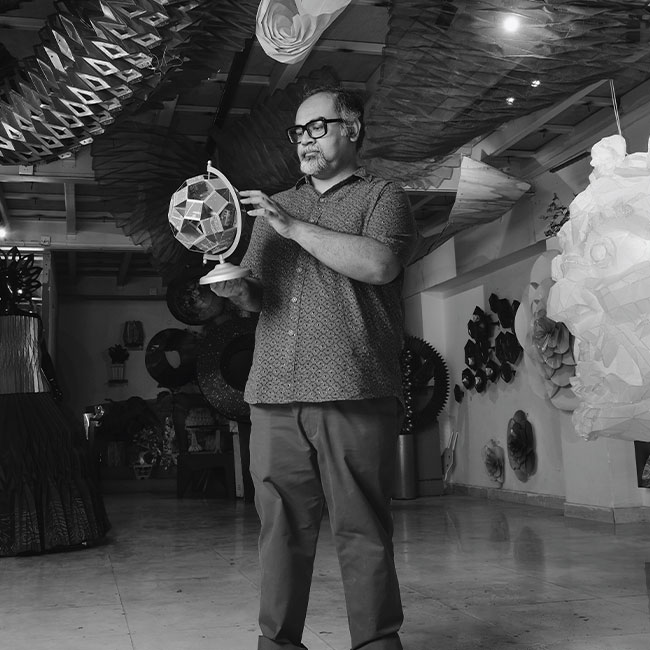
Ankon Mitra, founder of Oritecture, explores origami as a contemporary language of craft and design. Trained as an architect, he translates the principles of folding and geometry from paper into materials including wood, metal, stone and glass. His practice demonstrates how traditional techniques and contemporary design thinking can come together to create new possibilities.

Cane Concept

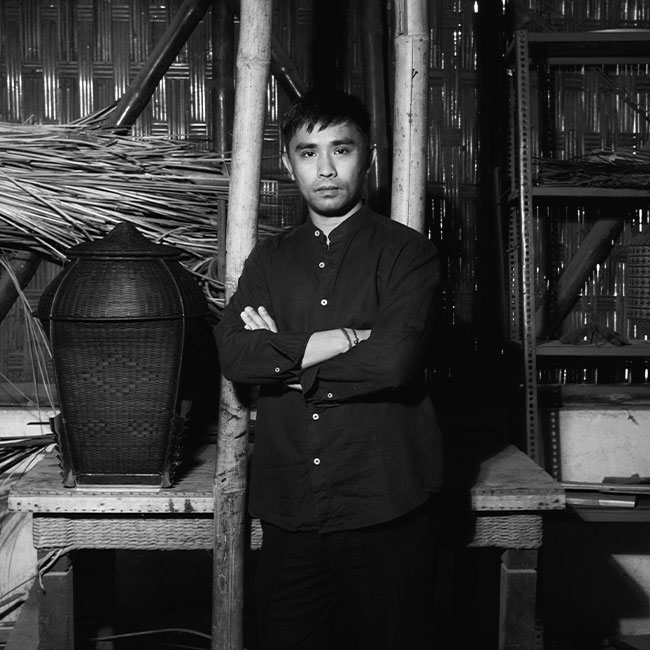
Cane Concept, founded by Jesmina Zeliang in Nagaland, brings together the rich traditions of cane, bamboo and wood craftsmanship with contemporary design. Working with artisans and home-based weavers across Northeast India, the atelier creates furniture and objects rooted in indigenous forms, materials and stories. Its practice demonstrates how traditional knowledge can support both contemporary design and sustainable livelihoods.

Chacko

Chacko, founded by industrial designer Vipin Joe, explores the possibilities of traditional craftsmanship through a contemporary design language. Working with materials such as reclaimed teak, etched brass and patinated metal, the practice brings together industrial processes and handcraft. The result is a distinctive body of work shaped by both technical precision and the individuality of the maker.
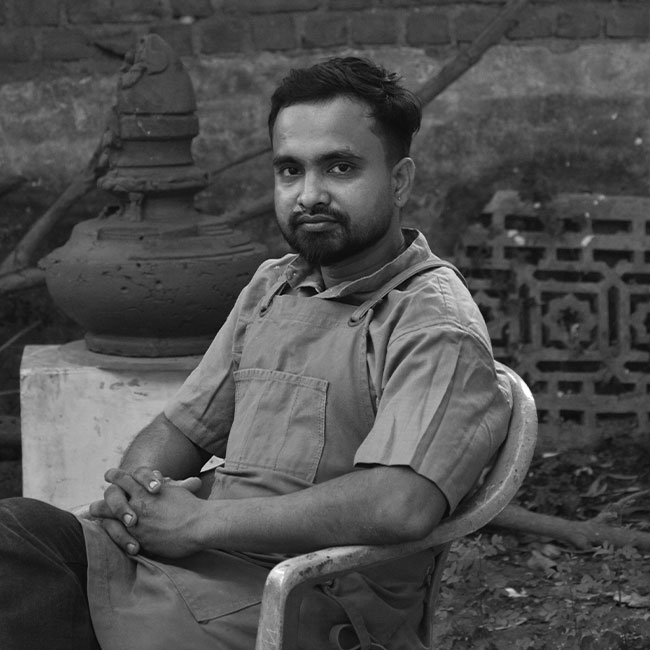
Chanakya School of Craft

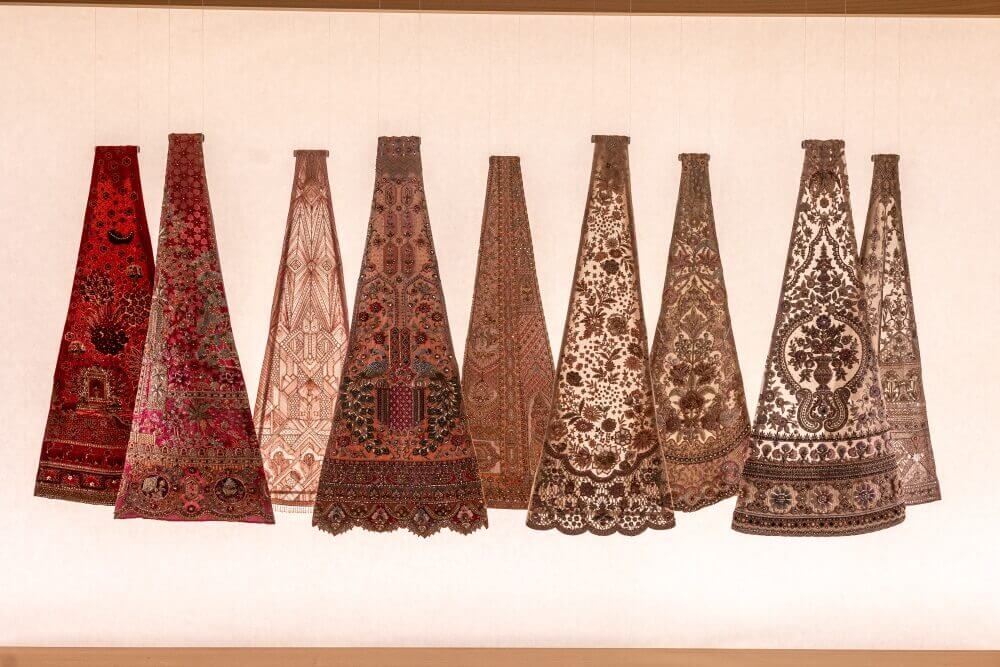
Chanakya School of Craft, founded in 2016, builds on a long-standing commitment to India's textile traditions. Under Artistic Director Karishma Swali, the school preserves and advances more than 300 hand-embroidery techniques while creating opportunities for women artisans. Its work connects traditional skills with contemporary artists and global creative institutions, creating new pathways for Indian embroidery.
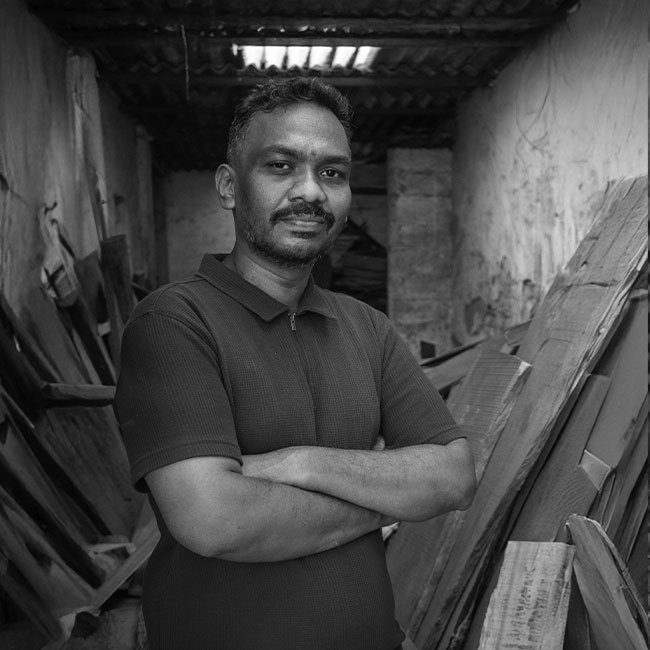
ChippiWara

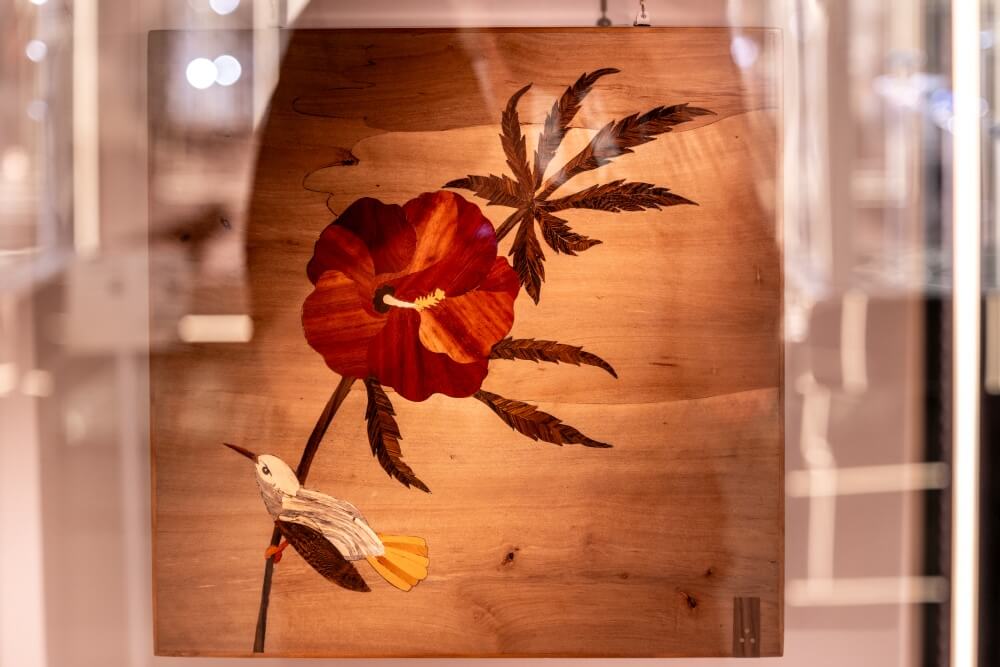
ChippiWara, founded by Tanveen Ratti, brings the traditional craft of marquetry and taarkashi into contemporary furniture and interiors. Working with master artisans, the practice uses naturally coloured timbers to create intricate compositions in which the grain of the wood becomes part of the visual language. Its work reinterprets traditional inlay through a contemporary design perspective.
Dhruv Agarwwal

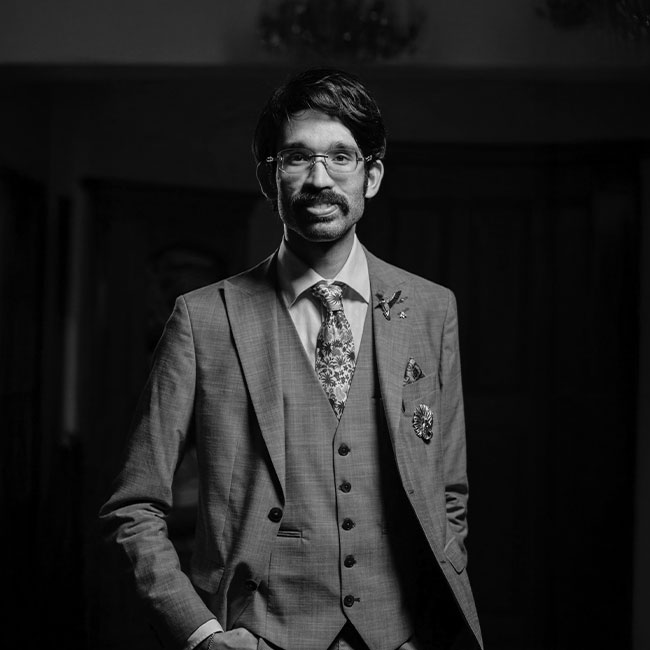
Dhruv Agarwwal is a New Delhi-based designer whose practice brings traditional craft techniques into contemporary furniture, lighting and installations. Working with craft communities in Channapatna and Moradabad, he explores techniques such as turned wood and meenakari at new scales. His work demonstrates how traditional processes can be reimagined through contemporary design.
Dolon Kundu Mondal

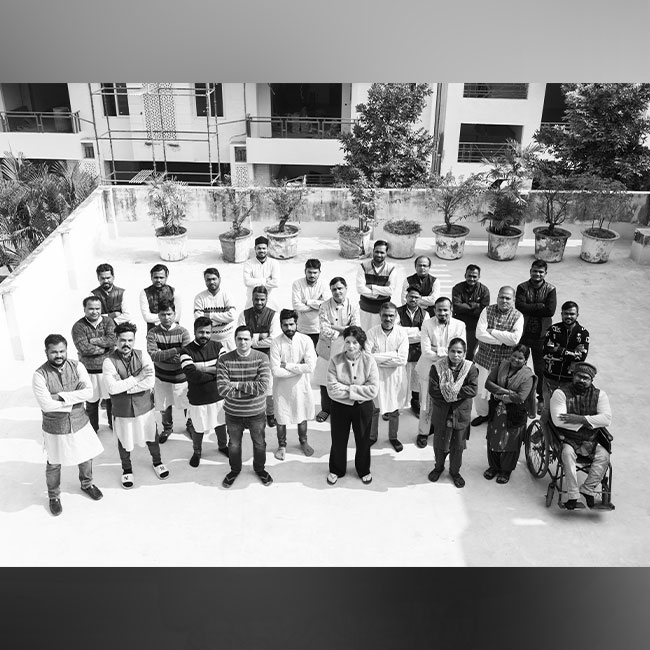
Dolon Kundu Mondal, founder of Maarttikee, is a terracotta artist whose practice is rooted in the tactile tradition of hand-formed pottery. Inspired by nature, mythology and everyday life, she creates detailed figurative works and sculptural panels. Alongside her practice, she trains women artisans in West Bengal, helping sustain both the craft and the livelihoods connected to it.

Gopal Saini

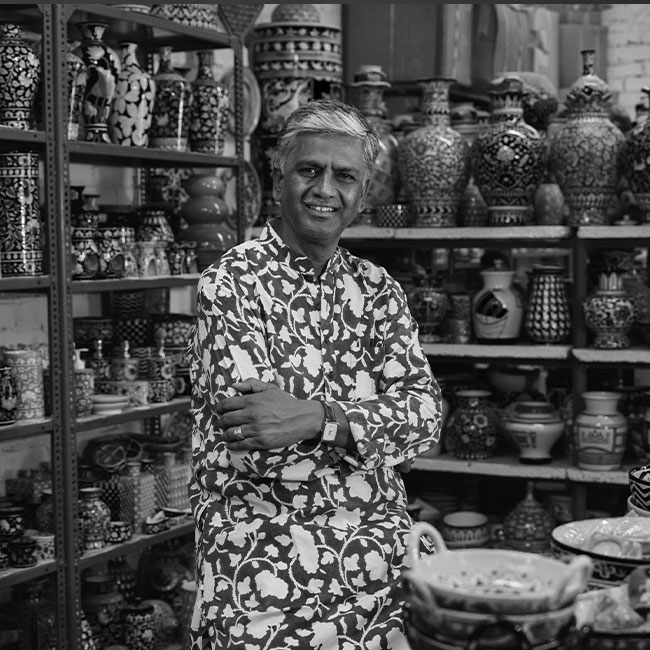
Gopal Saini is a master practitioner of Jaipur Blue Pottery and founder of Ram Gopal Blue Pottery. Trained under Padma Shri Kripal Singh Shekhawat, he has dedicated decades to preserving and evolving the distinctive craft of Jaipur. A recipient of the National Award and Shilp Guru Award, Saini continues to contribute to the craft through practice, experimentation and the transmission of knowledge.

Inderjeet Sandhu

Inderjeet Sandhu is a multidisciplinary artist whose practice explores identity, home, migration and inheritance through materials and domestic forms. Trained in jewellery and metalwork, he works closely with artisan communities to bring traditional techniques into contemporary sculptural practice. His work reflects the relationship between material knowledge, cultural memory and the movement of people and ideas.
Kanday Anjanappa

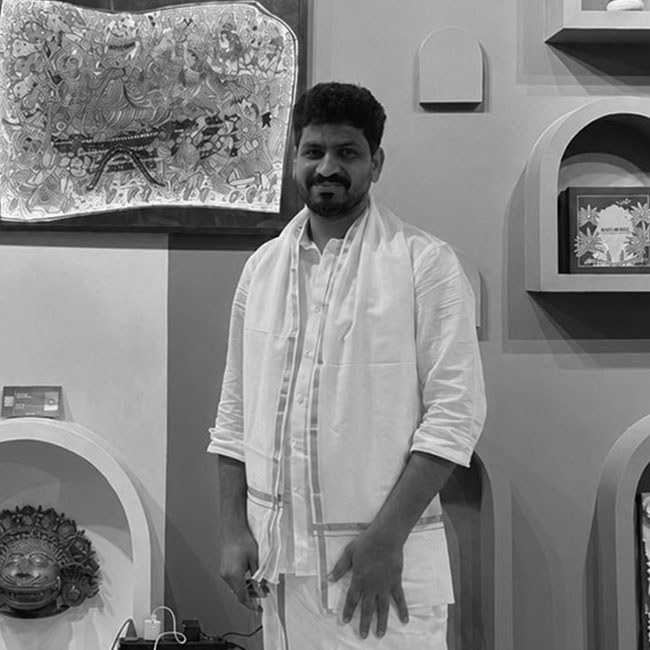
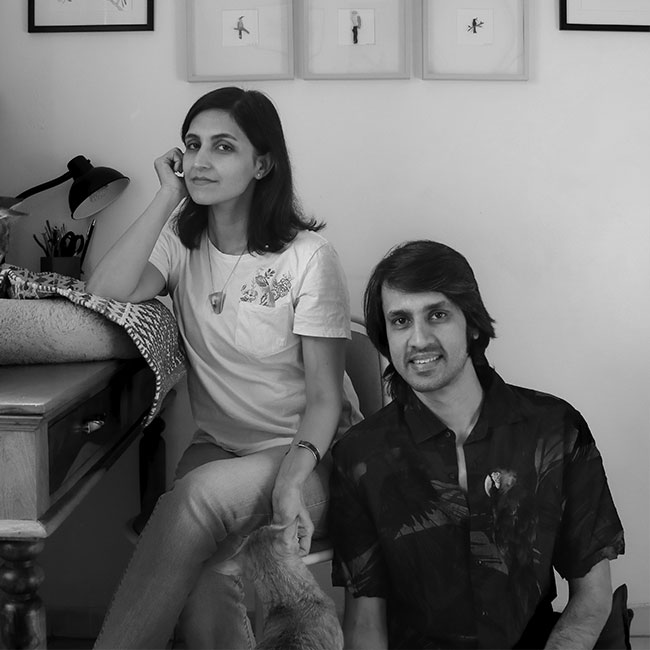
Kanday Anjanappa is a master practitioner of Tholu Bommalata, the centuries-old leather shadow puppetry tradition of Andhra Pradesh. Having learnt the craft from his father, he continues to preserve its distinctive techniques while exploring new forms, including foldable puppets and large-scale installations. His practice reflects how an inherited tradition can evolve while retaining its cultural character.

Kavin Mehta

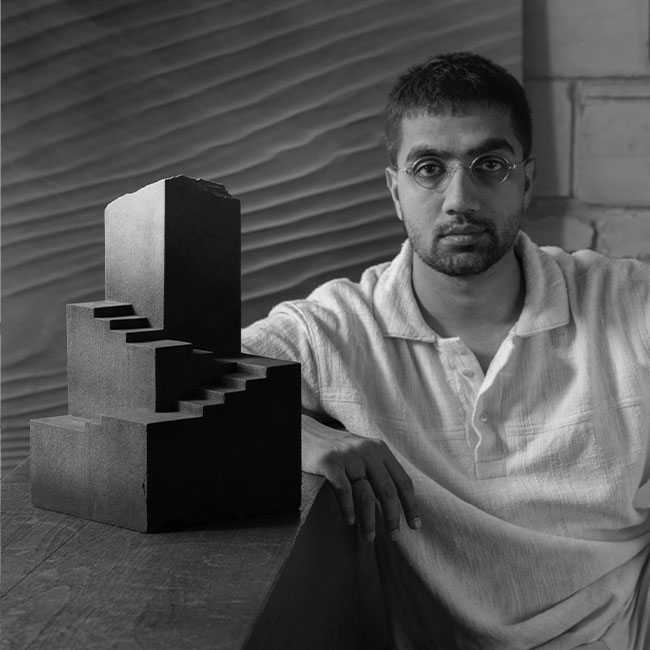
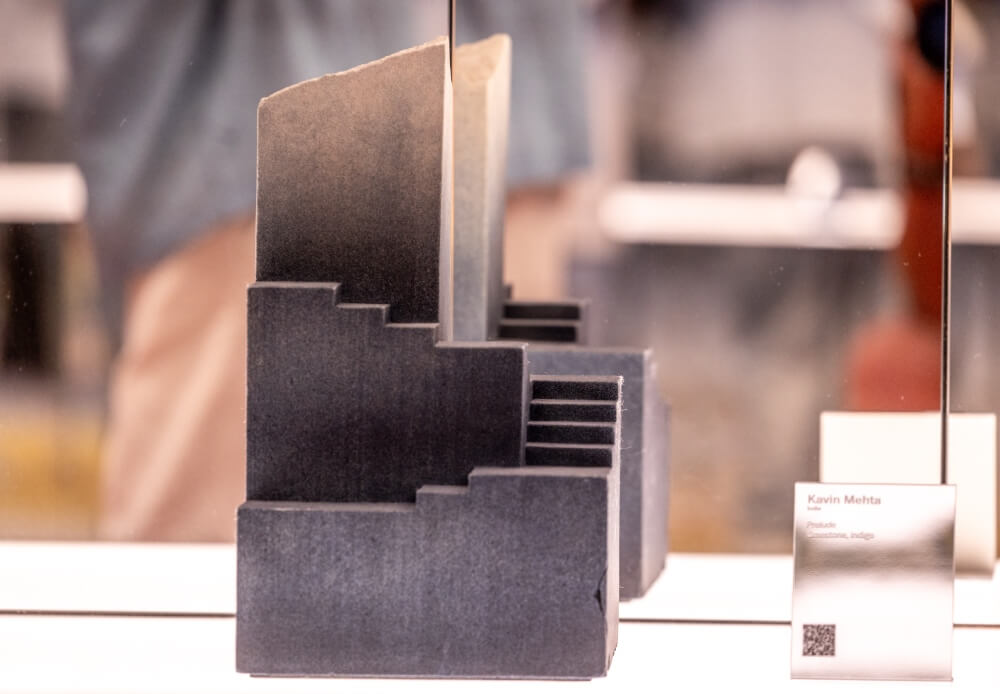
Kavin Mehta is an Ahmedabad-based artist and designer whose material practice explores the relationship between natural dyes and stone. Working with limestone and marble, he repeatedly immerses hand-carved forms in indigo, allowing the dye to transform the surface of the stone. His work brings together the memory of place, material experimentation and traditional knowledge of natural colour.

Klove Studio

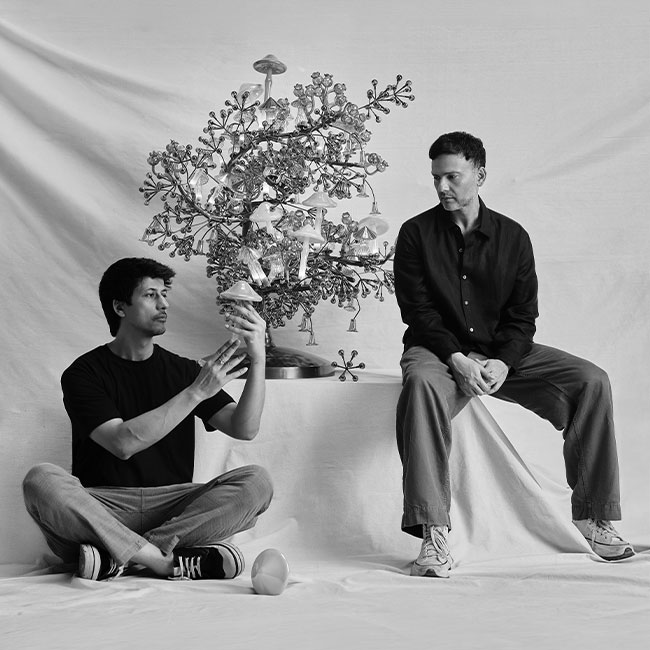
Klove Studio, founded by Prateek Jain and Gautam Seth, has developed a distinctive practice around hand-blown glass and light. From sculptural objects to large-scale installations, the studio works with traditional glassmaking techniques to create contemporary forms inspired by nature, symbols and ritual. Its work demonstrates how a traditional material can be transformed into an evolving contemporary design language.

Kunal Ukey

Kunal Ukey is a ceramic artist known for creating terracotta vessels at an extraordinary miniature scale. Beginning with a background in painting, he developed his own approach to working with clay and refined the wheel-throwing process to create exceptionally delicate forms. His practice highlights the precision, patience and discipline embedded within traditional making.

Mohammed Abdul Bari

Mohammed Abdul Bari is a fourth-generation master of Bidriware from Bidar, Karnataka. Trained in the craft from a young age, he has mastered the intricate processes of casting, engraving, silver inlay and patination. His practice extends the centuries-old Bidri tradition into contemporary furniture, panels and large-scale installations, while his work with younger artisans helps ensure that this knowledge continues into the future.

Nalini Mehta

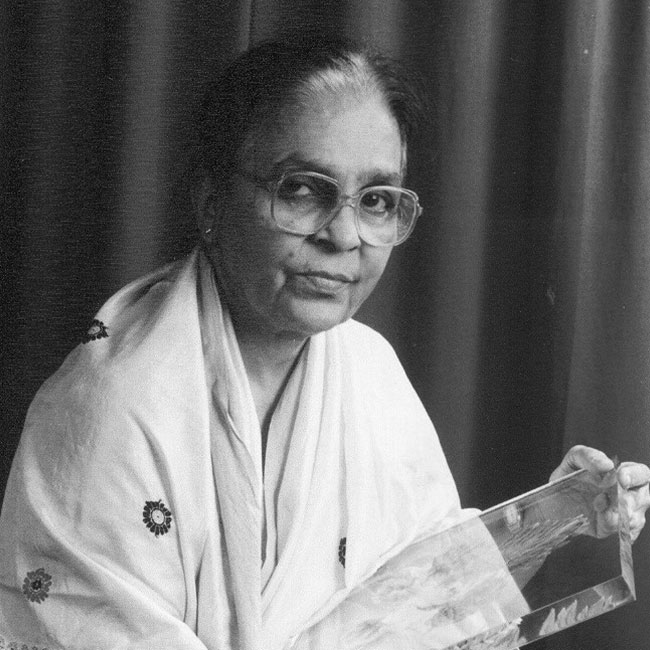
Nalini Mehta is a Mumbai-based artist whose practice centres on a distinctive technique of carving acrylic from within. Using a high-speed drill, she creates detailed flowers and birds by carefully controlling depth, form and light. Her work transforms an industrial material into delicate sculptural compositions, reflecting an enduring commitment to experimentation and craft.

Rajka Pottery

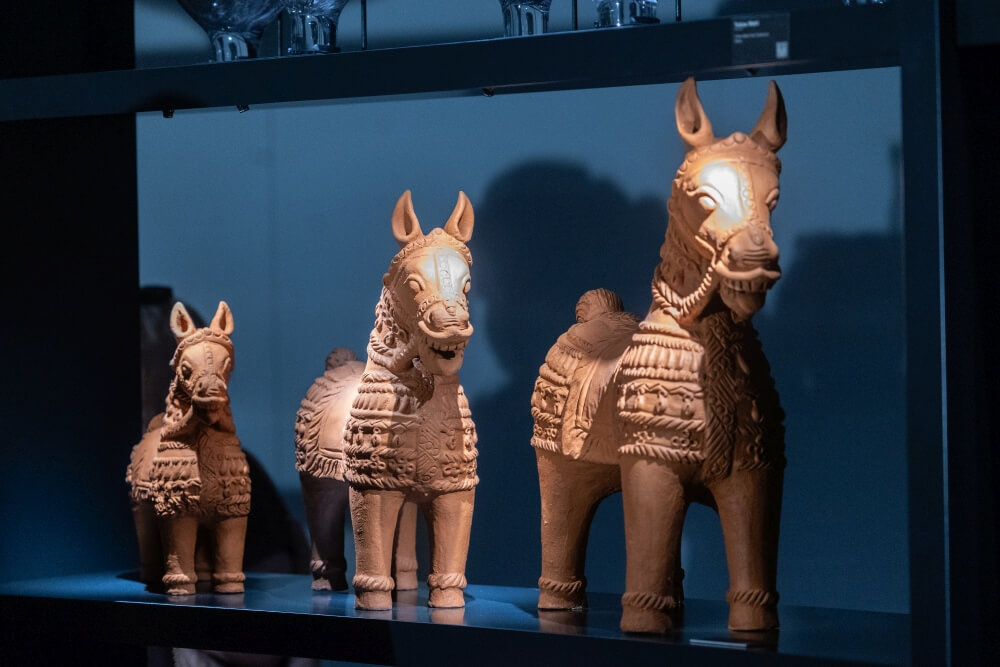
Rajka carries forward the Sarabhai family's long engagement with India's craft traditions. Founded in 1982, the atelier developed its terracotta practice through relationships with traditional potters from southern India. Its work continues the Ayyanar tradition of Tamil Nadu while creating opportunities for artisans and bringing this ancient sculptural language into contemporary contexts.

Reha Salvi

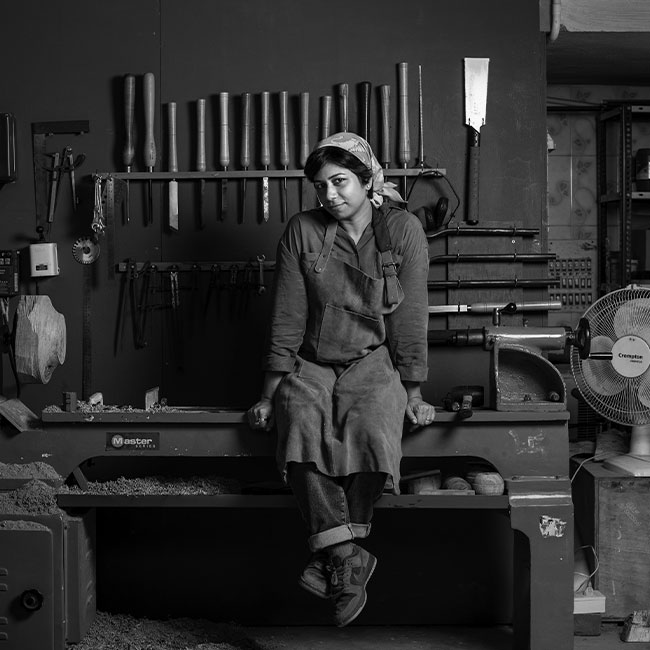
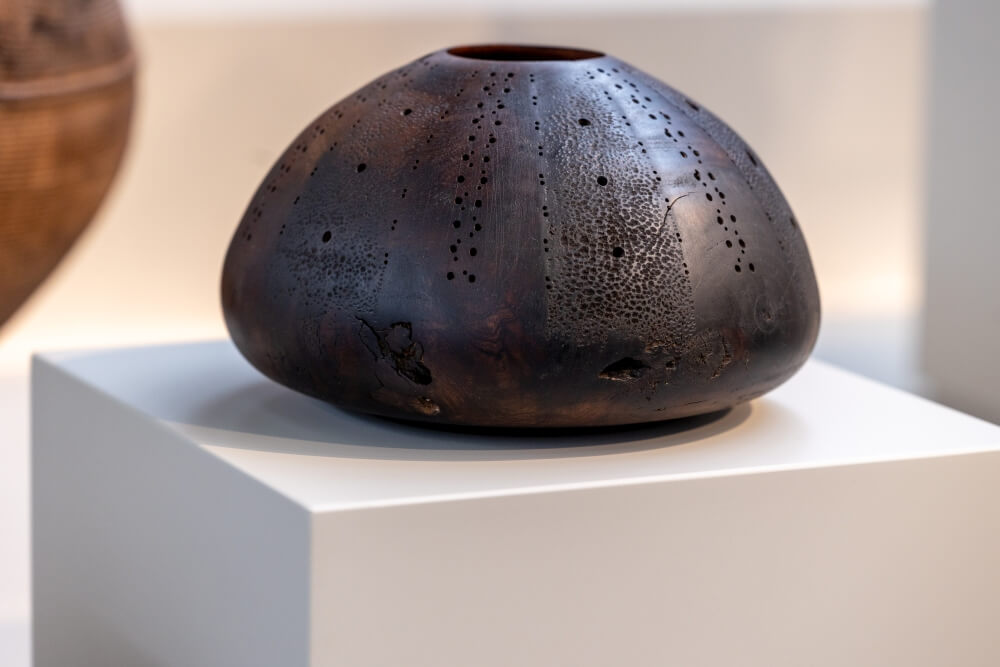
Reha Salvi, founder of Lakkadghoom, is a self-taught woodturner based in Chennai. Working primarily with locally sourced wood, she allows the natural character and imperfections of the material to remain visible in her forms. Her practice brings together architectural training, traditional woodturning and an intimate observation of the natural environment.

Rooshad Shroff

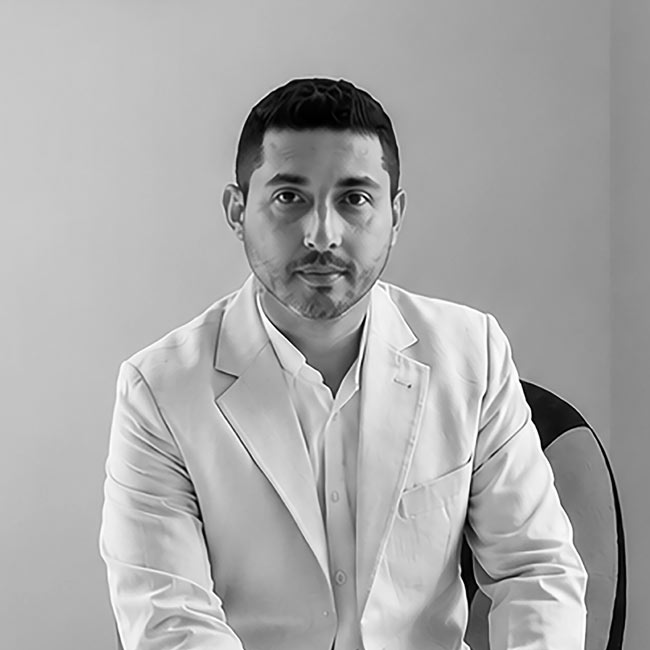
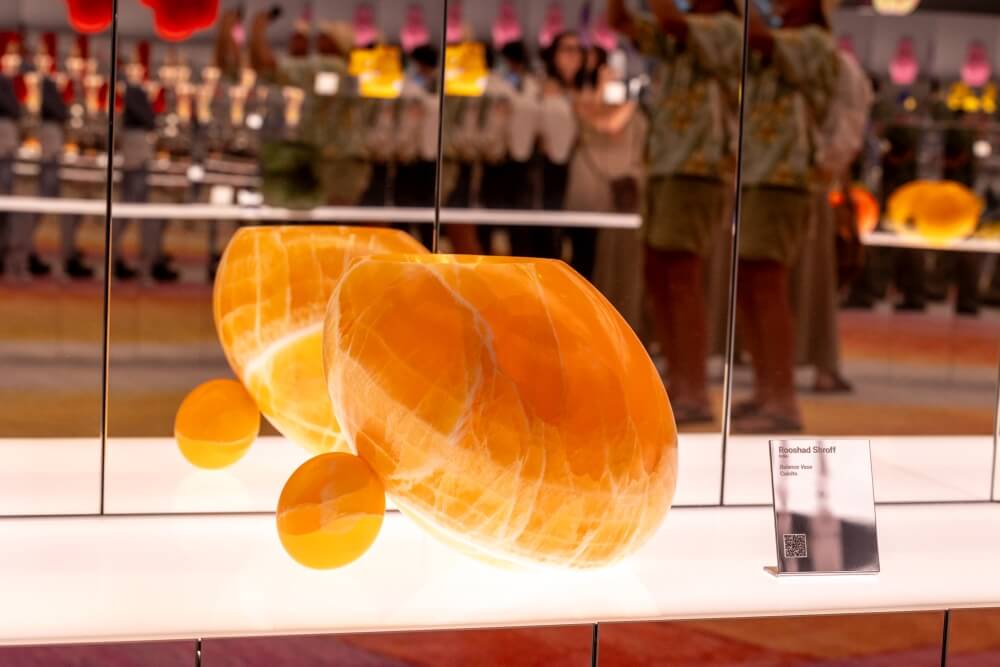
Rooshad Shroff is a Mumbai-based architect and designer who approaches craft as a living body of knowledge. His collaborations with artisan communities across India explore how traditional materials and techniques can be pushed beyond their conventional boundaries. From wood and stone to embroidery, his work creates a dialogue between inherited craftsmanship and contemporary design.

SHED

SHED, founded by Priyanka Shah, brings together craft, engineering and contemporary design through kinetic sculptures, furniture and collectible objects. Working with artisans and specialised makers, the studio combines traditional hand skills with precision tools and adapted technologies. Its practice demonstrates how craftsmanship can extend into complex, playful and highly contemporary forms.

Shalini Mithal

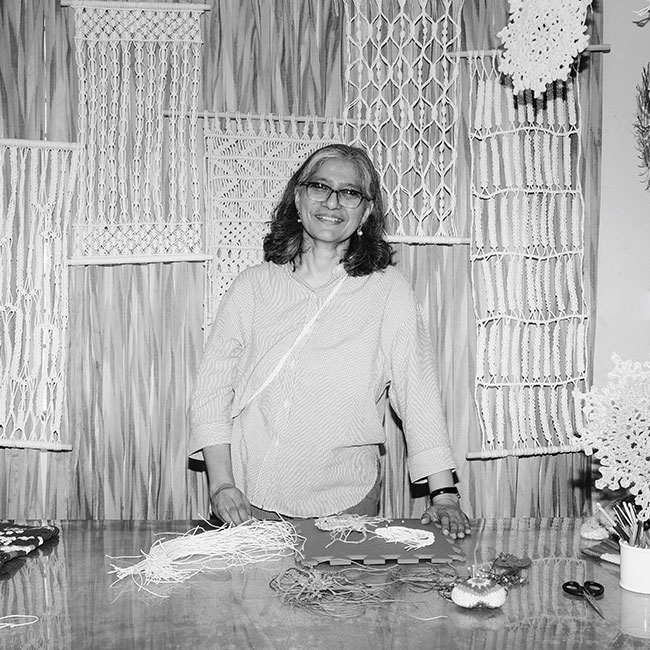
Shalini Mithal is a self-taught fibre artist working across macramé, crochet and hand embroidery. Her experimental practice combines traditional techniques with unconventional materials, allowing familiar forms of making to take on new expressions. Through collaborations with artists and makers, she explores the creative possibilities of fibre as a contemporary medium.

Sumakshi Singh

Sumakshi Singh creates large-scale installations using thread, embroidery, banana fibre and paper. Her practice brings domestic craft techniques into contemporary art, often working closely with artisans to create intricate environments that explore memory, absence and resilience. Her work demonstrates how traditional hand skills can become a powerful language for contemporary expression.

Suraj Kumar Sahu

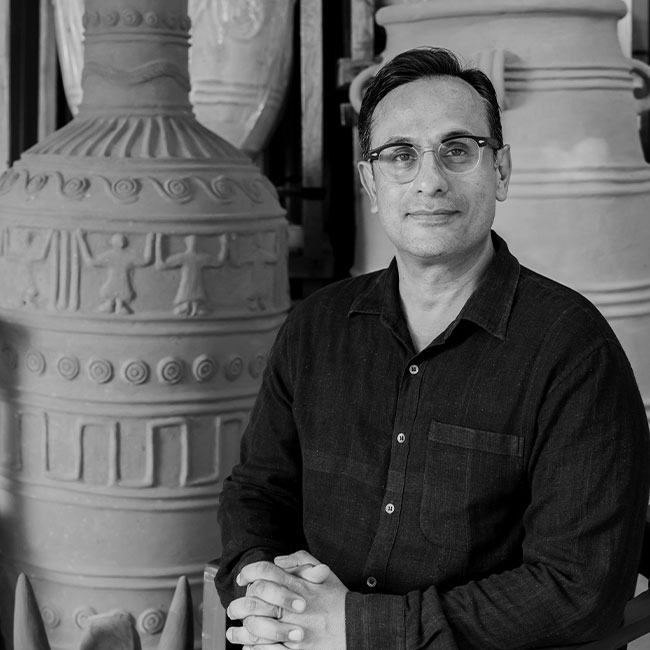
Suraj Kumar Sahu is a ceramic artist based in Rajasthan whose practice draws from India's architectural and sculptural heritage. Working with terracotta, stoneware and other ceramic materials, he creates large-scale forms inspired by ancient structures and the landscapes around him. His work also acknowledges the largely unnamed artisans whose skills have shaped India's architectural heritage.

Suresh Mohan

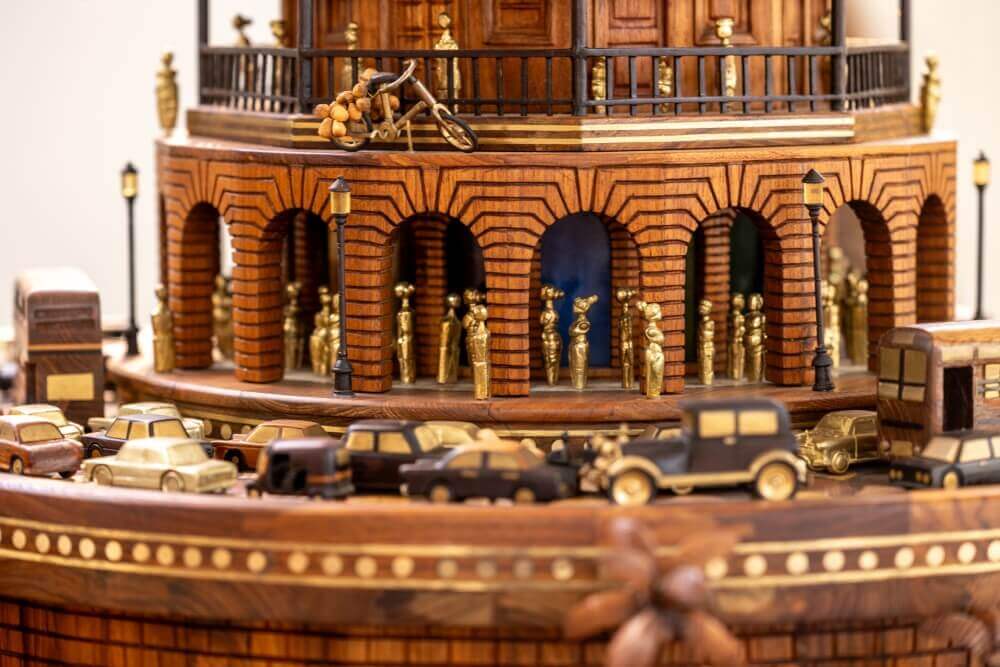
Suresh Mohan represents the continuing tradition of Mysuru wood inlay. Trained by his father, he developed an extensive knowledge of the colour, grain and characteristics of different woods, using them to create intricate compositions without relying on artificial pigments. Alongside his own practice, he works with designers and shares his knowledge with younger generations, helping carry the craft forward.

Surya Mathew

Surya Mathew is a jewellery artist whose practice brings together French and Indian traditions of fine craftsmanship. Trained by traditional Indian masters before studying jewellery in Paris, he combines rigorous technical knowledge with a deep respect for handcraft. His work reflects a commitment to preserving traditional skills while giving them continued relevance in contemporary jewellery.

The Kalhath Foundation

The Kalhath Foundation works to strengthen and sustain India's embroidery traditions while creating new opportunities for artisans. Through the Kalhath Institute, artisans working in Zardozi and Chikankari receive design education, exposure to museums and global creative practices, and opportunities to engage with contemporary markets. Its approach places artisan welfare, knowledge preservation and creative excellence at the heart of craft.

The Paper Ark

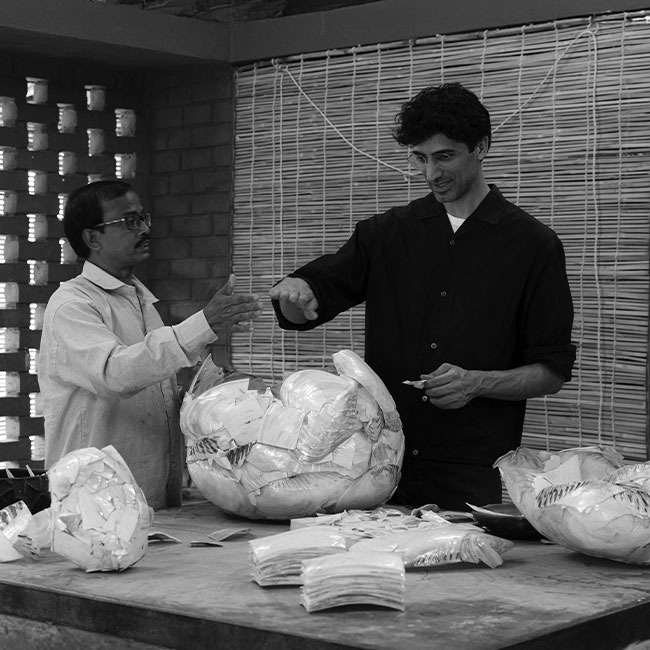
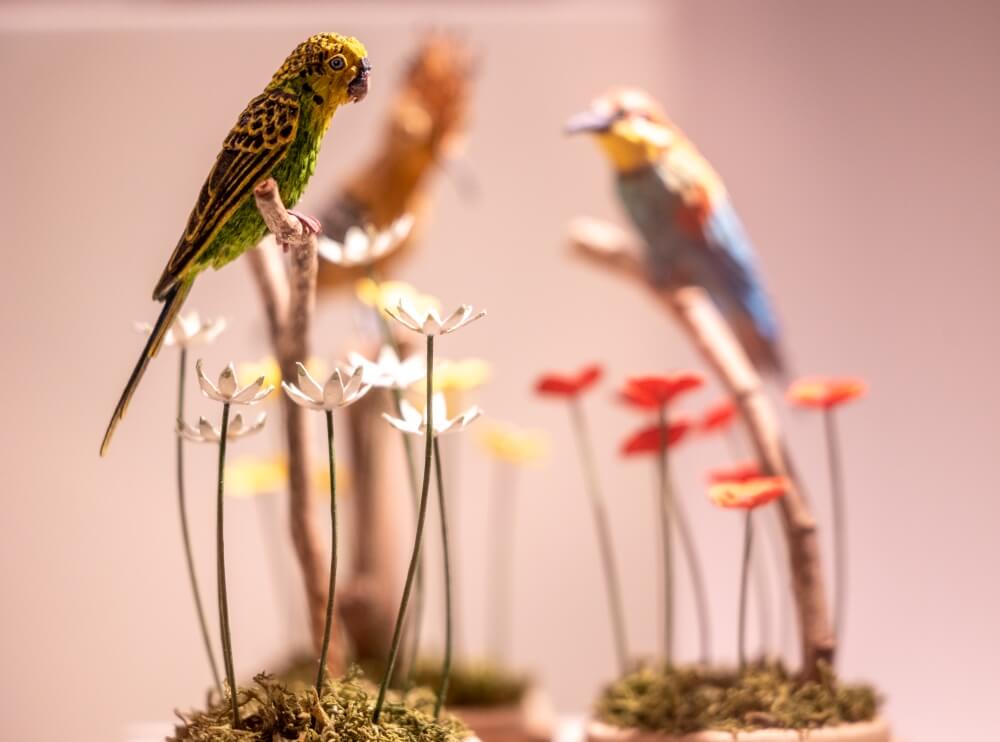
The Paper Ark, founded by Venus Bird and Nayan Shrimali, creates intricate paper sculptures inspired by birds and close observation of nature. Each work is carefully hand-cut and assembled, often incorporating studio waste and natural materials. Their practice transforms paper into highly detailed representations of wildlife, bringing together artistic expression, material sensitivity and an appreciation of the natural world.

The Vernacular Modern

The Vernacular Modern, founded by architect Abhirup Dutta and interior designer Deeptashree Saha, explores contemporary design through India's diverse material and craft traditions. Working with artisans across the country, the studio draws on techniques including wood inlay, bronze casting, metal repoussé and handloom weaving. Its practice places traditional knowledge at the centre of contemporary design.

The Wicker Story

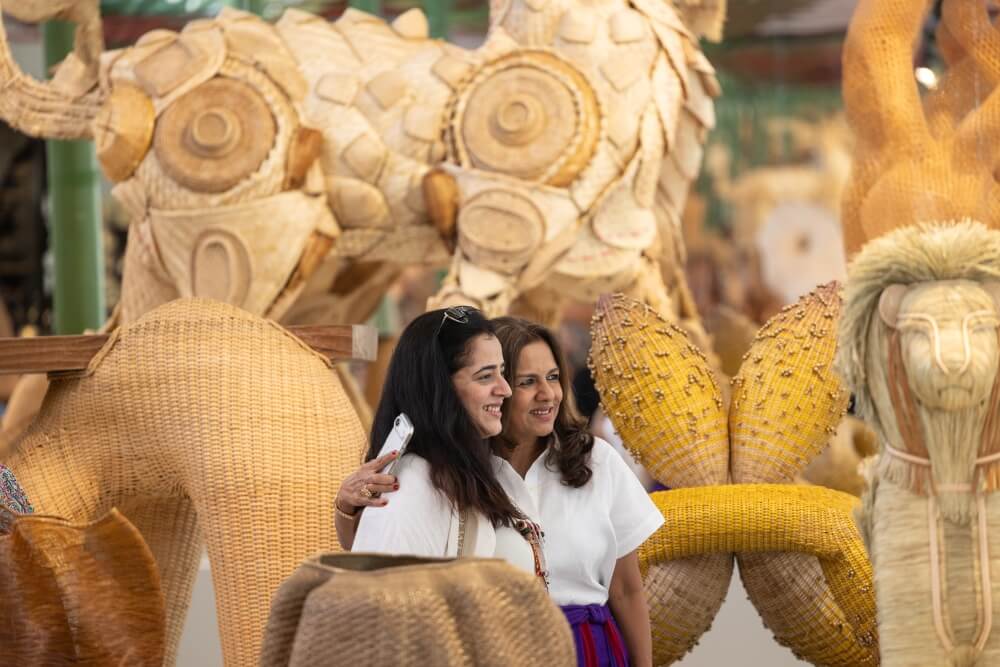
The Wicker Story, the flagship project of Prelab Design Studio, explores the meeting point between digital design and traditional craft. Founded by architect Priyanka Narula, the practice works with artisans to translate complex digital and parametric ideas into sustainable, handcrafted forms. Its work demonstrates how technology can become a tool for strengthening, rather than replacing, traditional making.

Vahé Ensemble

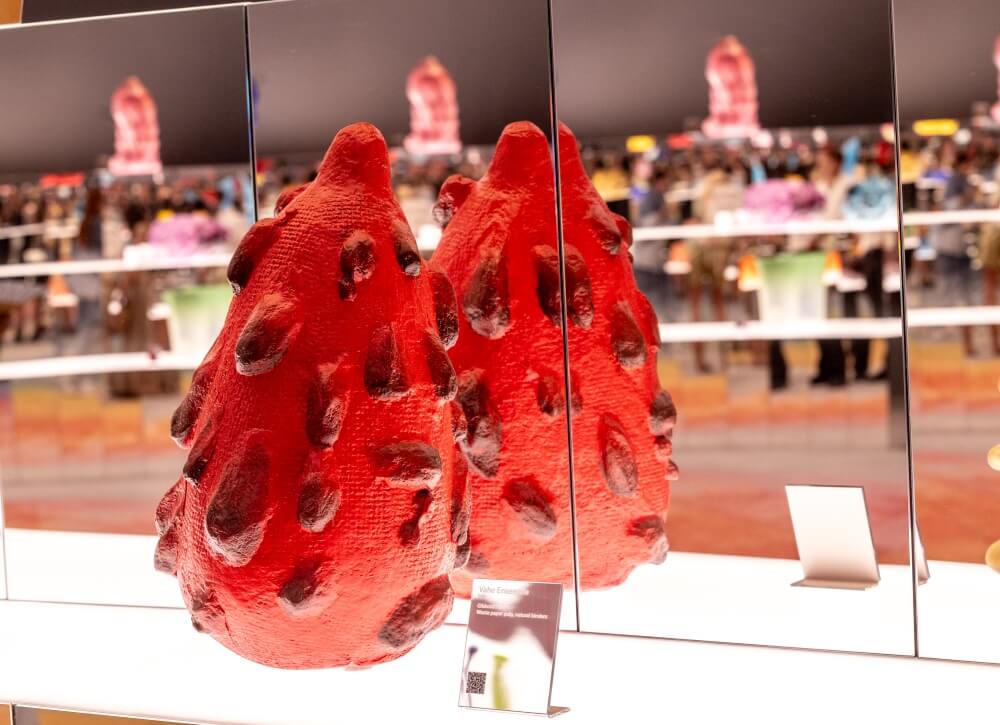
Vahé Ensemble, founded by Vaishnavi Walvekar, explores the sculptural possibilities of indigenous Indian craft. Beginning with Kashmiri papier-mâché, the practice transforms traditional material processes into contemporary forms. Its work also explores manjarpat, an unbleached cotton associated with Maharashtra, demonstrating how regional materials and techniques can find new expressions through contemporary design.

Valay Gada

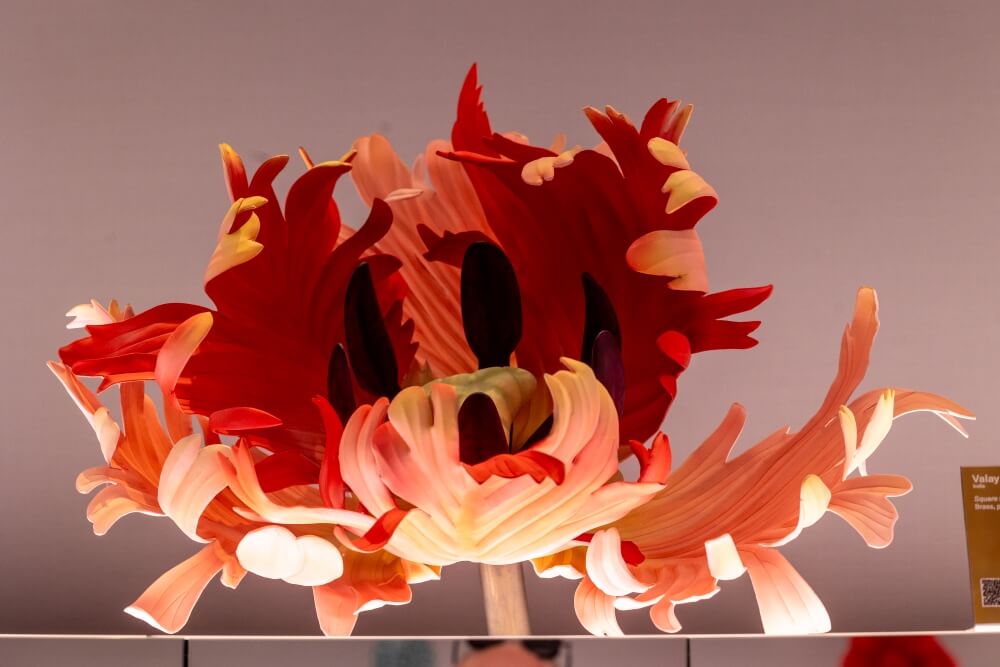
Valay Gada creates sculptural interpretations of flowers and botanical forms that explore nature, transformation and ecological change. Working with traditional metalworking techniques such as repoussé and chasing, he transforms brass and other materials into highly detailed botanical sculptures. His practice demonstrates how traditional metal craftsmanship can be used to address contemporary environmental themes.

Vipul Kumar

Vipul Kumar is a sculptor and ceramic artist based in Bhainslana, Rajasthan. Influenced by childhood memories of pottery and the intellectual traditions of Varanasi, he developed a practice rooted in sculpture, ecology and spiritual inquiry. Working in earthenware, stoneware and porcelain, his large, porous and asymmetric forms draw on the geology of Rajasthan and explore environmental damage and renewal.