
India’s urban landscape stands at a critical juncture. With projections indicating that nearly 600 million Indians will reside in urban centres by 2031, the need for sustainable urban planning has never been more urgent. Cities account for approximately 70 per cent of global carbon emissions, making urban development sustainability and decarbonising the built environment paramount concerns for nations committed to climate action.
Sustainable urban planning transcends conventional development approaches by integrating environmental considerations into every facet of city building. It encompasses initiatives for green infrastructure in India, efficient resource management, climate-resilient design, and inclusive community development.
At JSW Group, we maintain that our industrial capabilities uniquely position us to contribute meaningfully to this urban transformation, supporting the creation of sustainable cities that embody the promise of an India in ascent.
We recognise that while cities serve as critical engines of economic growth, they also carry a significant environmental footprint and account for a substantial share of global emissions. India, in particular, confronts a unique challenge in this regard. It must ensure that its urban centres expand at breakneck speed to create the spaces needed for millions of Indians to realise their aspirations, while simultaneously decarbonising its economy, conserving natural resources, and advancing equitable development amid a rapidly warming planet and intensifying social and environmental pressures.
Our sustainable urban development vision reflects our commitment to helping India meet this challenge by supplying the materials required to build cities that enhance quality of life while minimising environmental impact. We believe that each of our business units, spanning steel, cement, energy, and infrastructure, plays a distinct yet deeply interconnected role in advancing sustainable urban development, collectively enabling the creation of resilient, efficient, and low-carbon cities through solutions that strengthen both the physical and natural foundations of urban growth.
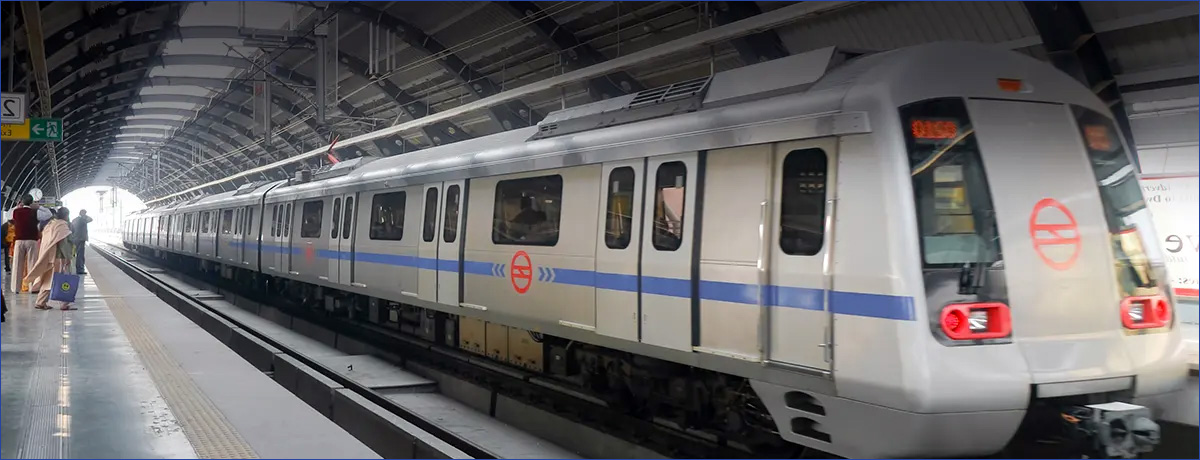
JSW Steel’s contribution to sustainable urban development begins with one of the world's most essential building materials. Steel undergirds the infrastructure that powers modern economies, from buildings, bridges, and transport networks to renewable energy systems. As cities expand and the transition to clean energy accelerates, demand for durable, high-performance, and low-carbon steel will become increasingly critical.
By advancing the production of more sustainable steel, JSW Steel is helping to enable the development of green infrastructure initiatives in India and clean energy assets that support long-term economic growth and harmoniously co-exist with nature.
JSW Group’s support for sustainable urban planning manifests through:
High-Strength Steel Products: Development of advanced high-strength steel grades enables the construction of taller, lighter structures that use less material per square metre. This material efficiency reduces embodied carbon in buildings whilst creating the density necessary for sustainable urban form.
Infrastructure Steel: Provision of steel for mass transit systems, including metro rails and elevated corridors, enables the creation of public transportation networks essential for reducing private vehicle dependence and associated emissions in urban areas.
Low-Carbon Steel: The development and production of lower-carbon steel grades, such as JSW Steel's GreenEdge, helps reduce emissions embedded in the built environment. As steel is a foundational material for buildings, transportation systems, and renewable energy infrastructure, lowering its carbon intensity can significantly reduce the lifecycle emissions of urban development projects.
Climate Change Adaptation: Steel plays a critical role in climate-resilient infrastructure, including flood barriers, stormwater management systems, coastal protection structures, and resilient transport networks. Its strength, durability, and adaptability enable the construction of infrastructure that helps cities withstand the growing impacts of extreme weather events and climate-related risks.
The versatility of steel enables innovative architectural solutions that respond to urban challenges. From earthquake-resistant structures to flood-resilient designs for coastal cities, JSW Steel’s product portfolio supports climate-adaptive urban construction.
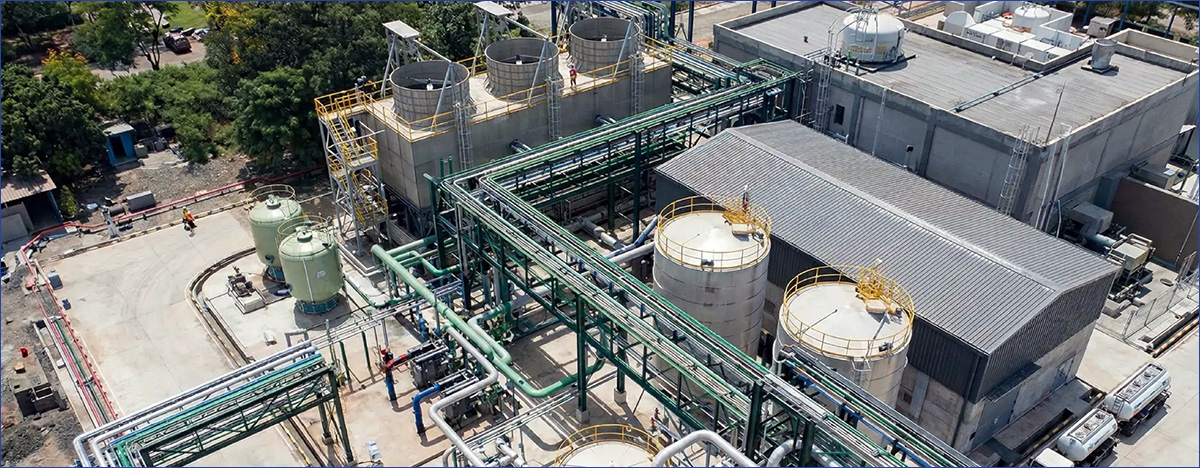
JSW Energy’s role in sustainable urban development is rooted in enabling the clean, reliable, and scalable power systems that modern cities depend on. With 59% of its installed capacity now coming from renewable sources, JSW Energy is helping accelerate India’s shift towards a lower-carbon energy system. As India advances its energy transition, renewable and flexible power solutions will play an increasingly important role in supporting sustainable urban growth.
Against this backdrop, JSW Energy’s contribution to sustainable urban development extends across the evolving energy value chain:
Renewable Energy Generation: Expansion of wind, solar, and hybrid power capacity helps decarbonise the electricity supply serving cities and industrial clusters. By increasing the share of clean energy in the grid, JSW Energy supports the transition away from fossil fuels while enabling low-carbon urban growth at scale.
Grid Reliability and Flexibility: Investments in balancing power, energy storage, and flexible generation assets enhance grid stability and ensure an uninterrupted electricity supply. This is critical for increasingly digitised and energy-intensive urban systems that depend on reliable power for essential services and economic activity.
Together, these initiatives position JSW Energy as a key catalyst of sustainable urbanisation, powering the transition to cleaner, more resilient, and future-ready cities.
Cement, by its very nature, is a foundational material that underpins the development of homes, commercial buildings, transportation networks, water systems, and public infrastructure. Hence, JSW Cement's role in the construction of sustainable cities in India extends through every layer of urban infrastructure.
Low-Carbon Cement: The development and production of blended and low-carbon cement products help reduce the embodied carbon of buildings and infrastructure. By lowering emissions associated with one of the most widely used construction materials, these products enable developers and urban planners to pursue more sustainable construction practices without compromising performance, durability, or structural integrity.
Cement Made Using Steelmaking By-Products: The incorporation of steelmaking slag and other by-products into cement manufacturing advances circular economy principles by transforming industrial residues into valuable construction materials. This reduces reliance on energy-intensive clinker, lowers carbon emissions, conserves natural resources, and strengthens resource efficiency across the built environment.
Sustainable urban development relies on efficient, resilient, and low-carbon infrastructure that supports economic activity while minimising environmental impact. JSW Infrastructure plays a vital role in this transition through its port operations and logistics capabilities, which support regional and urban connectivity.
By facilitating the movement of raw materials, goods, and commodities, JSW Infrastructure helps improve supply chain efficiency and reduce transportation-related emissions. Efficient freight movement lowers the carbon intensity of supply chains serving urban centres, while a focus on operational excellence, resource efficiency, and responsible environmental management helps minimise the environmental footprint of its operations.
JSW Group’s key contributions to urban development sustainability include:
Efficient Logistics Networks: Our port infrastructure at Jaigarh and Dharamtar supports the efficient movement of goods that underpin urban economies. As India’s second-largest private commercial port operator, JSW Infrastructure handled 31.7 million tonnes of cargo in Q3 FY2026, helping enable cleaner and more efficient supply chains.
Green Port Operations: Implementation of dust suppression systems, wastewater treatment facilities, and energy-efficient cargo handling equipment demonstrates how infrastructure operations can maintain environmental standards whilst supporting both public health and urban industrial growth.
Beyond physical infrastructure, our expertise in managing complex projects provides insights applicable to sustainable urban planning, positioning us to contribute knowledge alongside material capabilities.
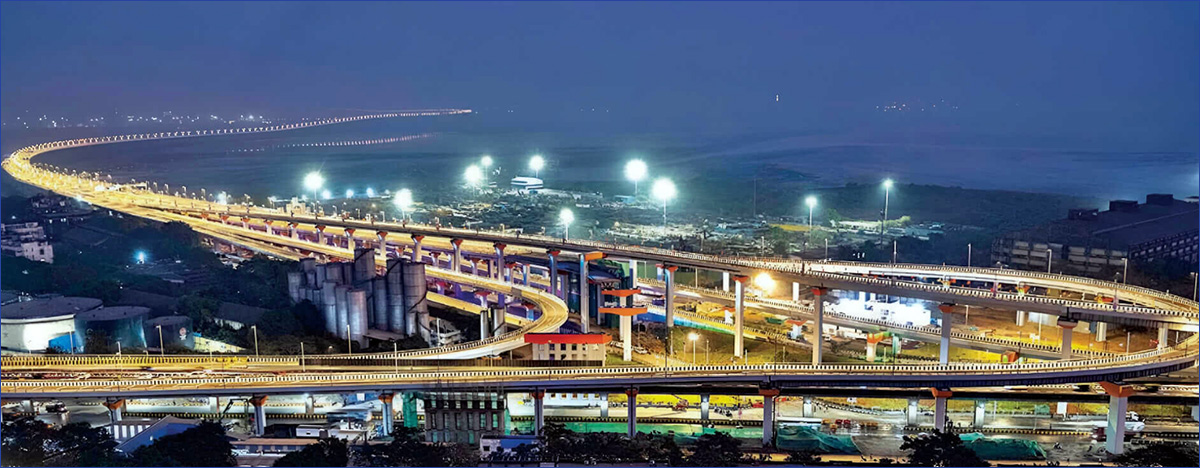
The convergence of smart city planning and sustainable urban development represents the future of Indian urbanisation. Smart cities that leverage technology and data to optimise resource use, improve service delivery, and enhance quality of life will soon become the norm rather than the exception.
Smart city planning is most effective when individual urban systems no longer operate in isolation. Transportation networks, energy infrastructure, public services, and the built environment must increasingly function as interconnected ecosystems that can respond dynamically to changing urban needs. This systems-based approach is creating new opportunities for green infrastructure initiatives in India to deliver greater value across the urban landscape.JSW Group’s contributions to sustainable urban planning reflect a fundamental conviction: the cities India builds today will define the nation’s economic trajectory, environmental resilience, and quality of life for generations to come. As urbanisation accelerates and the pressures of climate change intensify, the imperative to develop sustainably is no longer aspirational; it is operational.
JSW Group acknowledges its responsibility to be an active architect of this transformation. Through continuous investment in cleaner production technologies, innovative materials, and operational excellence, we are working to ensure that the infrastructure underpinning India’s urban growth is built on a foundation of long-term sustainability.
At the heart of this commitment lies a philosophy we hold close: building the nation that built us. India’s prosperity has always been inseparable from the vitality of its cities, and the cities of the future must be environmentally sustainable, economically vibrant, and socially inclusive. JSW Group is committed to ensuring that as India rises, it rises on cities built to last.
View all newsBUSINESSES
JSW Steel JSW Energy JSW Infrastructure JSW Cement JSW Ventures JSW Paints JSW Realty JSW Defence JSW Dulux


